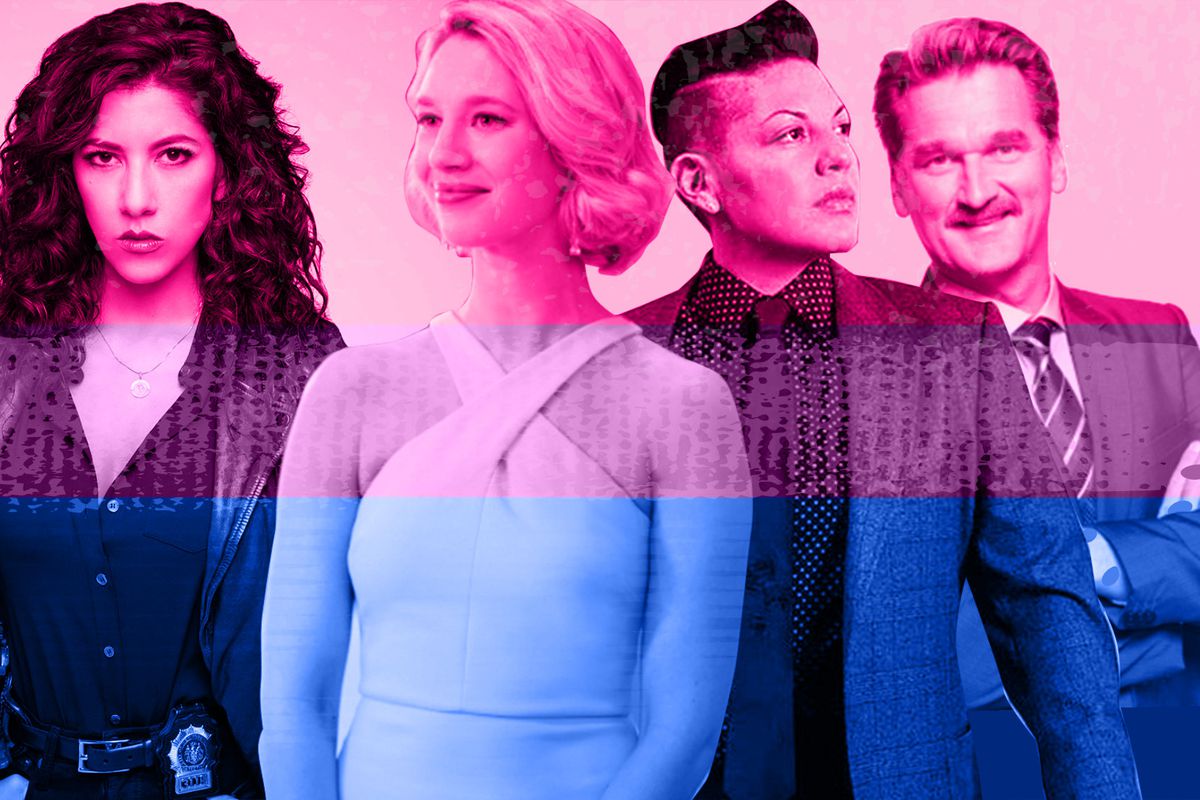
The rise and rise of the disaster bisexual

Move over bury your gays, there’s a new trope in town and it’s about murderous bisexual chaos. (Note: some spoilers below for Passages, Poor Things, Saltburn and Love Lies Bleeding – I’ve tried to make it obvious where I discuss each so you can skip specific films you haven’t seen).
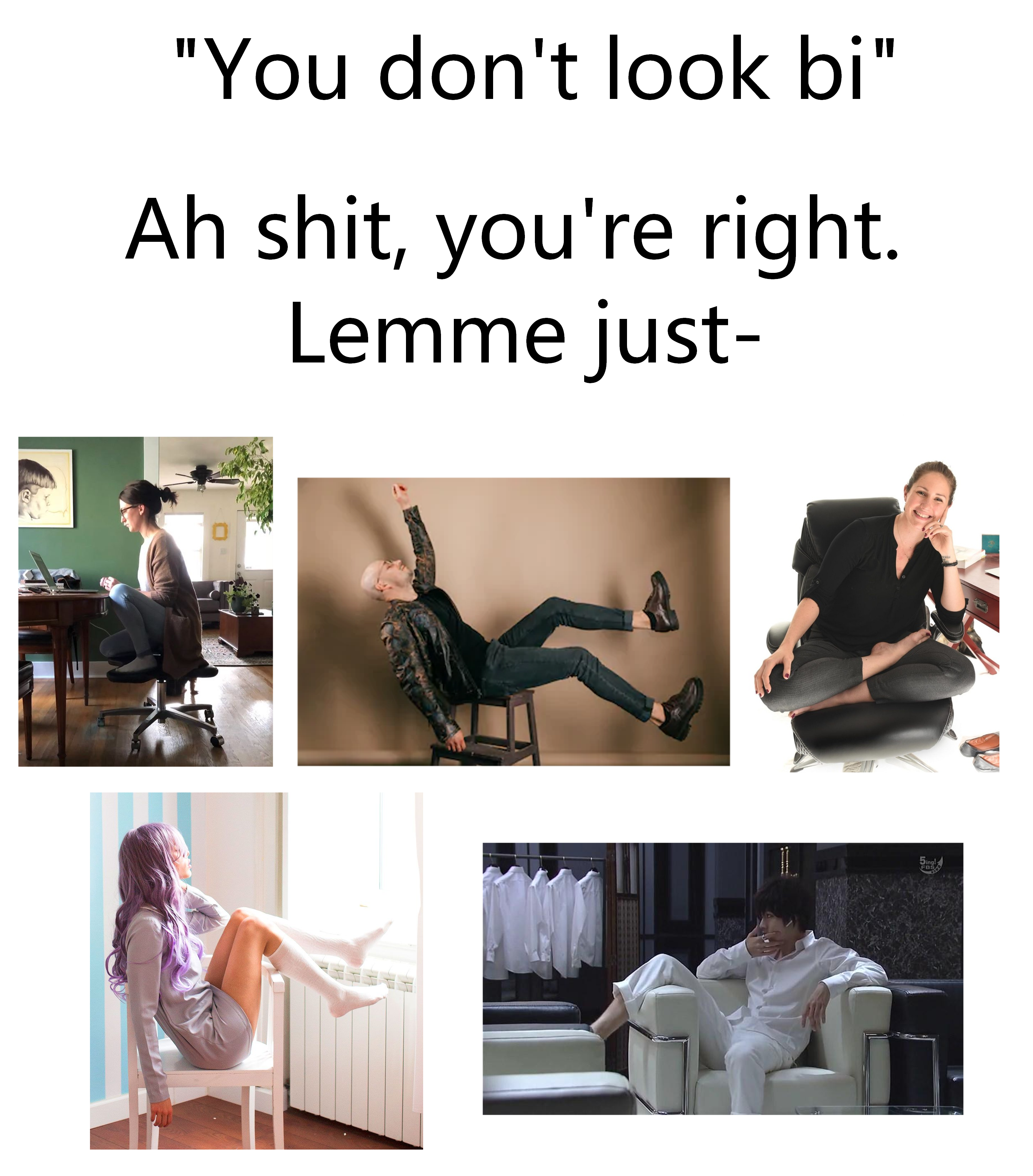
We bisexuals are constantly trying to claim things are bi, like bob haircuts, Freddie Mercury, sitting in chairs weirdly, lemon squares, and green velvet couches.

Not long ago I was reading through my high school diaries and found an entry musing on whether I was bisexual. I was sixteen. I did not use the word of course, I simply – coded and cautiously – mentioned that I had read an article in Cosmopolitan magazine about women who also like men and women both, and “y’know, maybe that’s me”. Skip forward several decades of grappling with my sexual identity, literally writing a PhD about being queer femme, and becoming a scholar who works on queer theory and sexuality… I am (fingers crossed) finally feeling pretty at ease with calling myself bisexual.

Sure we have the least exciting flag, but a few key insights for me have been: my affinity with other bisexuals (we just get each other, we see each other); the recognition that my desire does not transcend gender, but rather, is for all the genders (so many! I love them all! So hot!); that bisexual experience is about recognising shame that goes in multiple and maybe unexpected directions (e.g. feeling bad about having heterosexual desires); that the reality of homophobia deepens biphobia as we split into camps to save ourselves, but the need to have the grace to understand these structuring forces. Of course all of the angst I have grappled with over the years is probably just because I am a millennial – it seems that Gen Z are much more comfortable with their gender and sexual fluidity.

The gay agenda works!

But what of bisexual representation in these shifting times? I last reflected on this question in 2019 (“Twenty BiTeen”). Back then I concluded that negative tropes about bisexuality (of greediness, just a phase, and straight privilege) were, in a very small strand of emerging bisexual representation, starting to be reworked and resisted. In 2022 I also wrote a paper about bisexuality as “the refusal to refuse”, aka the refusal of choosing a single monosexual line of desire. In part this paper looked at the distinction between the “bury your gays” trope where homosexuality is represented as a tragedy (the gay character dies), versus straight rom coms where heterosexuality is represented as an inevitable comedy (replete with failure). I argued that in contrast bisexuality was rarely intelligible at all – neither tragedy or comedy, simply an impossibility.

But since writing these pieces, something new has emerged. Enter: the disaster bisexual.

[It’s me, hi]

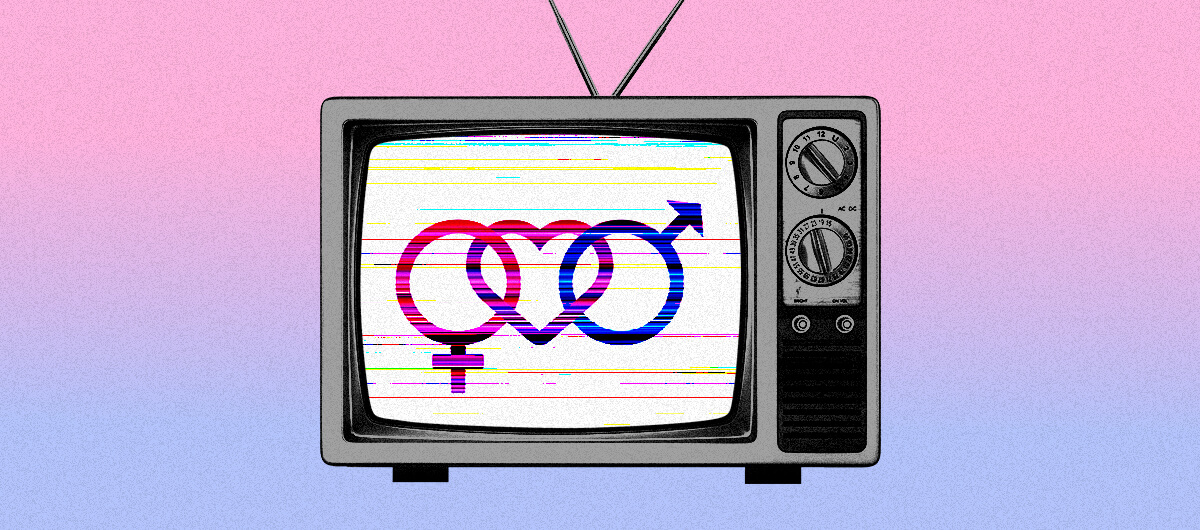
A disaster bisexual is, just as it suggests on the can, loosely defined as a bisexual character or person who has chaotic energy or causes chaos. It seems to be a term used with some affection (“oh what a disaster bisexual!”) and often personal identification (“I’m such a disaster bisexual!” – to which everyone replies “yes”). The disaster bisexual is not your typical queer-coded villain, but rather, an anti-hero. The term seems to pleasurably press the bruise of internalised biphobia. When you cannot corral your desires into a neat monosexual storyline, this can feel chaotic.

According to the internet, the term originated from a D&D meme about sexuality in 2017, but it really took off as a concept in wider circulation in 2022/2023. I would argue that we are now seeing echoes of this discourse in representation on screen, in films like Passages, Poor Things, Saltburn and Love Lies Bleeding (and so many more I have not had the chance to see yet!). Notably in none of these representations is the word “bisexual” used, the characters are simply depicted as having sex with people of multiple genders. This continues a long trend in representation where bisexual desire is represented but not named.

However, importantly, these representations take the disaster bisexual into sinister territory. While queer publications like Them last year lauded the rise of “the nuanced bi characters we’ve been waiting for” I was somewhat perplexed by this celebratory tone. Journalist Billie Walker suggested that “It’s not that we don’t want bisexuals to do bad things on screen. We just want them to do more interesting bad things, and for more interesting reasons”. Hmmm. Let’s take a look at some examples…

I saw the French romance/drama film Passages at the Melbourne Queer Film festival in 2023. On the night it was introduced by festival curator Cerise Howard as addressing the historical gap in programming bisexual representation, to which (me included) the audience whooped and cheered. At the end of the film I turned to the person I was with and laughed “well…we wouldn’t call it positive bisexual representation would we!” In the film the main character Tomas takes a bisexual wrecking ball to his life and loves with such chaos that by the end of the film you are cheering his downfall. Walker suggests that it would be a “lazy” reading of the film to see Tomas’ bisexuality as the cause of crisis in the film, rather than look to his egotism. But sometimes surface readings are the most important to understanding how tropes congeal. The most obvious interpretation is that Tomas is a disaster bisexual, leaving a trail of emotional carnage in the lives of the monosexual characters who foolishly love him.

Similarly in science-fiction comedy/drama Poor Things, the sexual exploits of main character Bella are depicted as leaving destruction in her wake. Much of the film focuses on Bella developing a sense of self through her sexual adventures. She is a kind of Frankenstein’s monster, a gothic vehicle for representing society’s repressed desires. While she is the centre of the film, and we are essentially on Bella’s side (especially as she escapes the clutches of both wimpish and controlling men), she is also violently dangerous: unpredictably squashing, stabbing, or surgically destroying those in her path. Notably at the end we see Bella living in some kind of polyamorous bisexual utopia (albeit one with a slightly disturbing goat).

On violence, we can turn here to black comedy thriller Saltburn where our central disaster bisexual is perhaps the most ominous of all. Oliver is not simply violent, but a pathological liar and epitome of destructive Dionysian desire. Oliver lusts over the bodily and earthly – cum, blood and literal dirt – and it is at once disturbing and entertaining. Oliver is both compelling and scary. He is close to the material and earthly, and just as uncontrollable. At the end he is alone and happy, and everyone else is dead.

Finally, in romance thriller Love Lies Bleeding, our central protagonists are Lou and Jackie/Jack. While Lou is assuredly gay, and wary of sleeping with Jack in case she is just a “curious” straight, Jack notes that she likes “both” men and women. Arguably the central drama of the film is caused by a combination of Lou’s brother in law’s domestic violence, and the fact that Jack has slept with the brother in law. When Jack gets vengeance it is ambiguous as to whether she is trying to right the wrong of the brother in law’s violence, or, atone for the hurt caused by her bisexual exploits. While Jack is depicted throughout as uncontrollable, unpredictable, and totally chaotic, Lou is remarkably together and always cleaning up after her.

Of course there are many other things to say about these films that are not purely about the disaster bisexuality of it all – about rage and families and vengeance and kinks – but it is telling that all of these disaster bisexual films rather unusually mix up genres of comedy/romance with drama/thriller. This speaks to bisexuality sitting at the intersection of heterosexual (comedy) and homosexual (tragedy) tropes: an uncomfortable mash. As such these films do not end in classic “tragedy”, rather, we see the bisexual emerging intact despite the rubble from which they emerge.

Yes, these films are not all “about” bisexuality but in all of these films bisexual desires are at the heart of the drama and often the cause of crisis. Many of the scenes in these films are also highly visceral, focusing on blood, sweat, vomit, cum, and the bodily, with varying levels of gore (with the exception of Passages which is simply sexy and sweaty, with great crop tops). The disaster bisexuals are the spark and conduits of this viscerality. Notably, all the disaster bisexuals are hot, really hot – and I am not just saying that because I am a bisexual attracted to everyone – I mean, alluring. We are meant to understand the appeal of the disaster bisexual, even as we are warned to be wary, if not afraid, of this seductive power.
On this note, it would be wrong, I think, to say that these representations of bisexuality are “bad”. This is probably my disaster bisexuality speaking, but it is way more fun to identify with the villain than have really happy unproblematic bisexual representation. And of course in selecting these films I have left out other key bisexual representations we have seen recently – such as in Heartstopper and Red, White and Royal Blue – where the bisexuals are not really chaotic at all, just attractive and nice.

My point is to question: should we “celebrate” representations of disaster bisexuals? I am not convinced. Rather, I think we should keep tabs on the disaster bisexual trope and how it is playing out, what this trope has to say about sexuality and desire, how these representations connect with broader sentiments and politics around sexuality, and perhaps most importantly, how these depictions make us bisexuals feel. As we watch, we should attend to whether it pleasurably presses the bruise, or, sometimes, digs a bit too far into the wound.
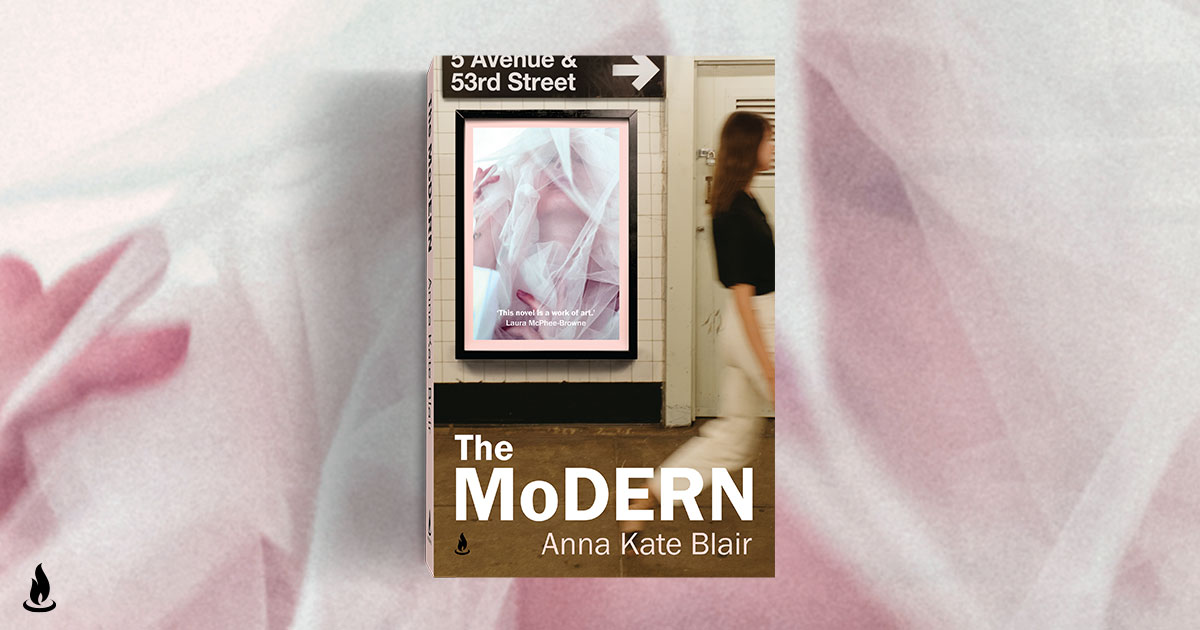
Book Review: The Modern by Anna Kate Blair

Dear Anna,

I have been thinking about how I might write a review of The Modern, given my love of it, but also given our prior entanglement. What are the ethics of critique when the personal is unavoidable? I am sure this is a legitimate genre of criticism and I am just being naive, but I am putting this in a letter to you (to everyone) to avoid any doubt about the conflict of interest.

When we first started dating I sent one of my friends a text: What do you do if your girlfriend turns out to be your favourite author? Wouldn’t that be wild? I will never know, we did not stay girlfriends.

You once said to me that you felt as if everything you wrote was for me, that you imagined me as the reader. I know that cannot – would not reasonably – be the case anymore, but it felt so special reading The Modern, knowing you, having known you, for some of the time that you were writing it. Against postmodernism, you as author were so alive to me in this.

I wanted to buy a copy in support, but I also narcissistically wondered if I was reflected in the text. I analysed your descriptions of Robert, Cara, Sally, Emily, and other subsidiary characters, for any hints. In fact, they all seemed more like versions of you. Maybe this is how writing always works. Everyone was much too erudite or cool or modern to feel anything like me, but on reflection I can see that some of the worst elements of my anxious-avoidant attachment style are, perhaps, in there.

I flinch, for instance, at Cara deleting all traces of Sophia on her social media: “It felt as if she was determined to erase memories of our pleasant moments, ashamed to admit that we’d spent time together, as if she was trying to create a narrative of her life in which I meant nothing”. I regret it. It made me think about how we efface surfaces when we cannot bare their depth. The desire to negate intimacy in order to stay a step ahead of rejection.

We don’t really get to know Cara in The Modern, she remains two-dimensional to the reader but hyper-real to Sophia. I think this is part of the point, an exploration of what it feels like to have an infatuation where the other person becomes a slate onto which you project. I read a review of the novel that described it as “solipsistic” but why aren’t women allowed to look in the mirror?

When you are falling in love, everything feels intertextual and full of portent. Songs playing in restaurants, whether flowers in a vase stay closed, the weather forecast – all take on special meaning. Yet I wrote in my diary I felt “haunted” by romance when we were together, that all of the beautiful things we encountered felt jarring with my internal unease. Perhaps it was, like Sophia, because I was in love with someone else. You and I talked openly about my other love, and I wondered whether your tolerance was simply because of interest in a writerly way. After The Modern, I think it is because you deeply understand the multiple directions love can pull you in simultaneously, and the odd formations that friendship can take. You have no judgement of it.

As you know, the last day with my other love involved rowing down the river to celebrate exactly one year of our friendship. As we ate our picnic floating on the water – and before I could declare my love – he played the song “Can’t We Be Friends” from his phone. I recounted all this to you later and you said it was too trite to be literary.

I cherish that this is a novel with Frank O’Hara and Grace Hartigan at the heart of it. Forgetting your love of them, I had serendipitously re-read Meditations on an Emergency only days before The Modern arrived in my mailbox. “In times of crisis, we must all decide again and again whom we love”. Most significantly, The Modern is radical in not shying away from love as the centre of analysis. It is not a romance novel, but it is all about romance. Crushes are often understood as frivolous, juvenile, and above all, feminine. The Modern rejects none of this, treating the “unserious” with extreme care and detail. I recall you giving me Lunch Poems when we were dating. You said you had a spare copy, it was no big deal, it really meant nothing. When I leaf through it now, I have questions. “Is this love, now that the first love/has finally died, where there were no impossibilities?” Frank and Grace’s love for one another is the model of the most beautiful “unrequited”, “unrealised” love.

I met a writer at a book event recently, and she asked if I read poetry, and when and why I started reading it. I told her earnestly that there were two influences: my year eight English teacher (Mr Mansfield) on whom I had an enormous crush, and you, who asked me on our first date who my favourite poet was, and I couldn’t really answer. After that date I was determined to commit to poetry, to know it. You and I don’t talk anymore, but I still read poetry.

The Modern‘s mode – the crush as literary – is what makes it so special. I know that it has/will be compared to other melancholic novels by women (ones which I also love), but it is standalone in its occupation of queerness. While others in this genre are haunted by bisexuality (The Bell Jar), or relegate conflicts about sexual identity to the background (Conversations With Friends), The Modern addresses the complexity head-on. You capture the tensions of bisexuality so perfectly. The mixed desires, the different social scripts, sex, bodies, the longing for queerness. This, for me, makes it a bisexual novel for the ages. As Sophia reflects, “I felt too nervous to go to the Pride March alone. I lay in bed looking at photographs of women in t-shirts that read BISEXUALS ARE NOT CONFUSED. I was confused, though…”.

Primarily, The Modern is so witty. I laughed aloud so many times at the pluck of it, forced my partner to hear excerpts. I loved all of the reverent references to artworks, even those I did not know and made me feel inculte. I loved the camp obsession with the bridal, reflections on the ambivalence of marriage. I didn’t believe Robert’s ability to quote Sophia’s favourite literary texts, but it is an interesting fantasy, I too can imagine loving such a Philosophy Boy. I loved all the references to the sweet and sugary, the way you describe fireworks, the throwaway comment about Sophia only eating pink foods when she was sad, as if that is normal sad behaviour. I am reminded of the summer that we ate fairybread for lunch, your serious and dedicated whimsy.

Years ago when you told me the title of your novel, I worried that it would be unsearchable, lost in more general results. Like that band that called themselves “!!!” that no one could pronounce nor look up, whose songs have been forgotten because their punctuation was too cool.

I hope people find and read The Modern. If they don’t, I hope you keep writing anyway. I can’t wait to keep reading you.

It is most modern to affirm someone“.

Love, H

You can read more about The Modern here and order a copy here.

Waxing Frida

I’ve been thinking a lot about Frida Kahlo lately, as I’ve been asked to speak at the Art Gallery of South Australia’s panel on Frida’s feminist legacy later this week, as part of their “Frida & Diego: Love & Revolution” exhibition. Today, incidentally, is her birthday.

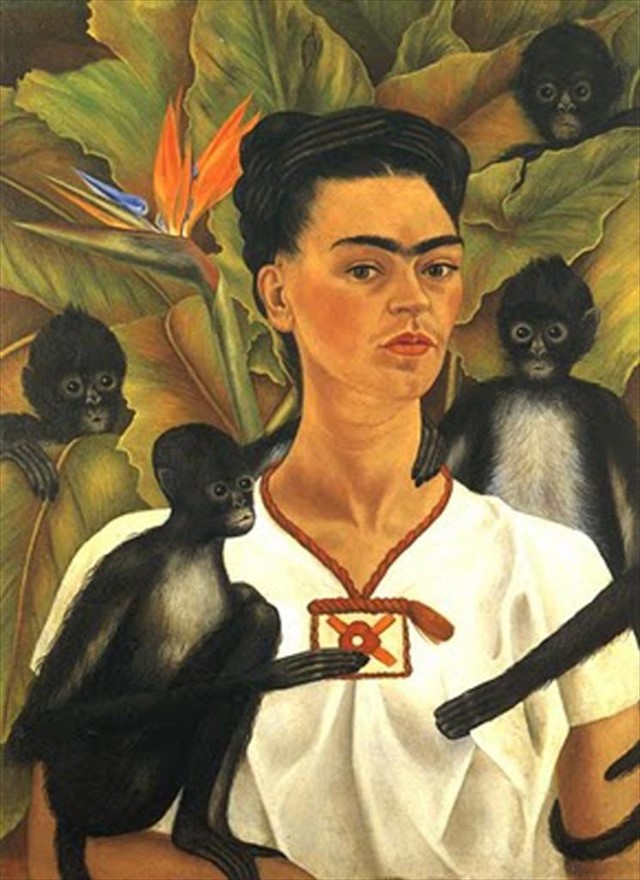
Turning my attention to Frida is a return to childhood for me, when she was a key source of comfort. This was during the rise of “Fridamania”: which spanned from influencing designers like Gaultier in the 1990s, to Salma Hayek’s 2002 biopic, and being famously loved by Madonna in this period. But from memory it wasn’t pop culture so much as my mother who introduced me to Frida, and the reason? My thick monobrow.

Frida’s stoic and defiant self portraits were the only positive imagery I had of anyone with a monobrow. There was literally no other representation I could find, no Internet to search, no monobrows in magazines or on television unless there was a reference to a character being deeply annoying, ugly, sinister, or cringeworthy (despite a brief media blip about a model growing a monobrow in 2018, things definitely haven’t changed on this front).

Because of Frida I could mostly stand these depictions. Feeling self-conscious I would leaf through the accordion book of Frida’s self portraits my mother had given me, I would recall her paintings that I had seen myself at the National Gallery in 2001. In primary school I would pre-empt scorn by joking to people “I can raise one eyebrow, wanna see?!”

Despite her psychic assistance, and even as Frida’s star image was rising in the popular imagination, the hegemony of two-brow dominance was too much to bear by the time I reached high school. As a teenager Frida came to feel like an awkward relative I didn’t want to associate with, or shameful interior self. I plucked her away, pruning my hair back to little and far-apart slugs.

Seeking repair for my zealous plucking, I went to a beautician and explained. I remember saying “you must see a lot of monobrows” and she just looked at me blankly. It’s a memory soaked with humiliation, and looking back at the pictures of myself in these period fills me with profound sadness, the shame with which I carried my body in the world as if I wanted to hide away.

I have been particularly horrified to find that several of the popular books for sale about Frida today (such as “Frida: A to Z“) depict Frida with two eyebrows, and certainly no moustache. This is in spite of the fact that these publications explicitly contain sections discussing the significance of Frida’s monobrow and hair to her constructed image: the way she would enhance her brow with pencil and gel, and emphasise her facial hair in her portraiture.

Perhaps the artistic teams on these books missed the memo, but it seems to me as if she’s been run through a filter of palatability, to suggest that her star as a style icon is only possible by bringing her closer to white patriarchal femininity rather than representing her subversive femme Mexican self-construction. Similarly, when a Barbie version of Frida was released in 2018, she was given a barely-there brow, whitened skin, and an inauthentic style of dress.

The circulation of Frida’s image today feels like a photocopy of a photocopy, a girl-boss-ification that focuses on her glamour, with occasional side notes on her sexual and gender queerness, communism, or pain. She’s on tote bags and tarot decks, and children’s books that simply note her posthumous triumph as an icon. Whether the monobrow is there on not, Frida the artist is often stripped away in favour of Frida the pop-art-like screen print.

Returning to Frida as an adult I feel desperate to understand her, to appreciate her in her complexity and for her artistry. To be as bold as her. As a child I didn’t understand the weight behind Frida’s bloody and bodily paintings, that it wasn’t all about her face. I didn’t comprehend Frida’s accident as a teenager, her chronic pain, infertility and child loss, the importance of her Mexican identity, her communism, her bisexuality, even though so much of this is communicated in her paintings. Recently I bought my young daughter a children’s book about Frida, and though the monobrow is there, the retelling is saccharine: Frida was sad in some of her paintings, but smiling in others! Frida loved life! What does it take to be a feminist icon? Why is it so hard for pain, queer love, loss, to be part of the narrative?

I suspect that even if I had understood Frida more holistically as a child, as more than her monobrow, it would not have been enough to keep the tweezers away.

I sit here fantasising about a future monobrow, un-waxing Frida. I fear there is a gap now that can never grow back.

Bisexuality in the Present Tense

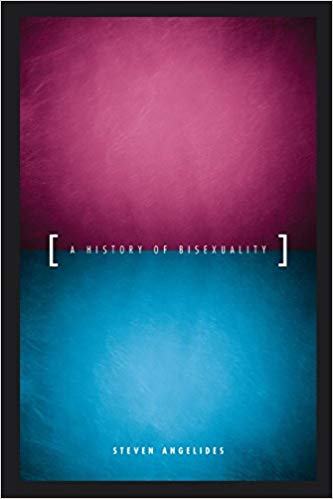
“…a particular temporal framing of sexuality has cast bisexuality in the past or future but never in the present tense” – Steven Angelides, A History of Bisexuality

57540df30c6cdacb088dd18c_58e2be9d9f43b5d40e4d74f6_320

TwentyBiTeen
2019 has been dubbed – by the collective consciousness of the Internet – “TwentyBiTeen“. It follows from “TwentyGayTeen” last year (and we’re all looking forward to what 2020 will yield).

I’ve struggled to write about bisexuality, a hint perhaps at the deep ways that biphobia lodges within oneself. Now in a long term gay relationship, I’ve found that my previous loud and proud bisexual identification (which I frequently deployed to demand inclusion in queer spaces), has faded, and my silence leaves me feeling like a traitor to my bisexual kin. Like Willow from Buffy, I’ve felt little need to bring up my past as relevant to my current to my identity, and I tend to use the terms “queer”, “gay”, or even “dyke”, to fudge the question. My sense is that there are a lot of bisexuals in “gay” relationships, we just don’t talk about it. But now, this year of TwentyBiTeen, with multiple bisexual texts appearing to haunt me on a daily basis(!), it’s time to confront the question. 

bisexual_tv.0

Bisexual characters on TV are on the rise

As a recent GLAAD report suggests, bisexual representation in popular culture is on the rise – at least on television – but figures are still disproportionately low given findings that suggest at least half of the LGBTQ population (in the USA) identifies as bisexual.

This marginal but increasing representation raises the crucial question of how bisexual identity is being conveyed. This is particularly important to consider given the insidious and harmful tropes that underpin biphobia, including: 1) that bisexuals have “straight privilege”; 2) that it is merely a temporary fluctuation between the fixed poles of gay or straight; 3) that bisexuals are confused, greedy, and/or risky when it comes to love and sex. Are contemporary representations resisting these tropes, or repeating them?

41smDOl-2IL._SX331_BO1,204,203,200_

Angelides’ History of Bisexuality was published in 2001

Bisexuality in the Past/Future
As Steven Angelides describes in A History of Bisexuality, even in its most utopian iterations bisexuality has been understood as a starting point or end point of human sexuality, rather than something that is possible as a stable position in the present.

He describes how Sigmund Freud imagines sexuality as multi-directional and dispersed across the body (“polymorphous perversity”), that then develops into “healthy” heterosexual desire. In this way Freud offers a rather radical understanding of sexuality as innately bisexual, but fixes bisexuality distinctly in the past. On the flip side, Angelides describes how Gay Liberation in the 1970s held bisexuality up as an ideal form of liberated human sexuality, though one that would not be possible without the revolution/destruction of compulsory heterosexuality. In this way, bisexuality was located as always in the future.

Gay Pride Celebrated At Annual Los Angeles Parade

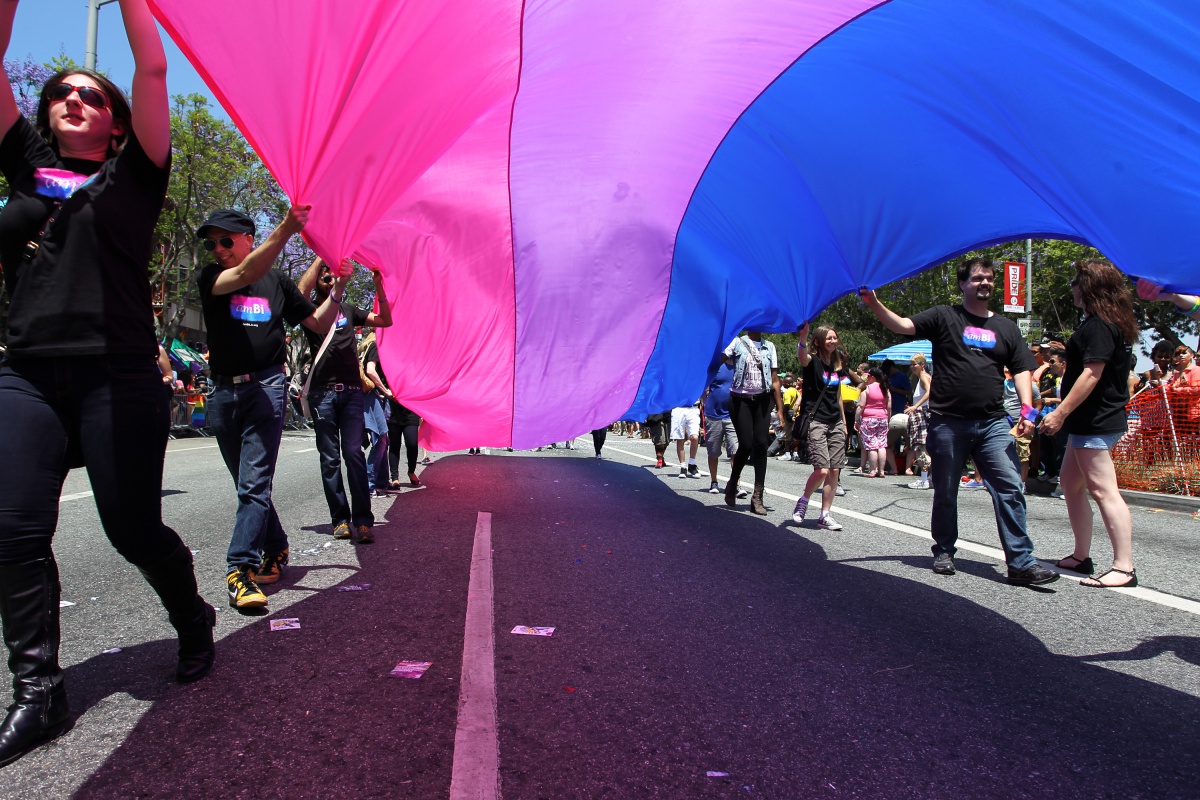
The bi flag was designed in 1998(!) by Michael Page

Angelides suggests that seeing bisexuality as impossible in the present is used to maintain the binary distinctions upon which both Freud’s theories and Gay Liberation were based – male/female, man/woman, gay/straight. To accept bisexuality in the present would be to trouble this organisation. Bisexuality is a threat. As Marjorie Garber writes, “The more borders to patrol, the more border crossings”.

f8bb9a2eeea982d1e2b83aa939622837Bisexuals (and especially bisexual men) have often been seen to “contaminate” straight life. This was most explicitly seen in the midst of the AIDS crisis, during which bisexuals were represented as adulterous hyper-sexual types who risked spreading the disease to the “normal” population. Similarly, gay communities have rejected bisexuals as “risky”, as seen in the 1990s following a rise in homophobic street attacks when the Sydney Gay and Lesbian Mardi Gras effectively limited the ability of non-LGT individuals becoming members. In many ways this kind of thinking was a hangover of 1970s lesbian feminism, which presumed sex with men was akin to “sleeping with the enemy”. This history illustrates how the terms of sexual violence and compulsory heterosexuality create fault-lines in our community.
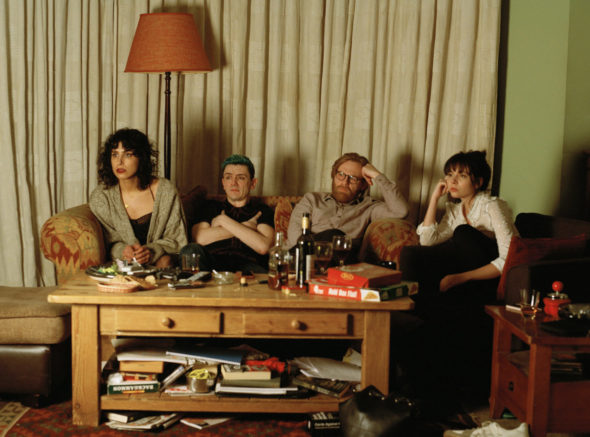
In this era of TwentyBiTeen, with bi rep on the rise, we might wonder how and if bisexuality is being rendered possible in the “present tense”. To explore these questions I offer an examination of three key bisexual texts I’ve come across lately that philosophise bisexuality and complicate the tropes that underpin biphobia: Desiree Akhavan’s drama TV series The Bisexual, Sally Rooney’s novel Conversations with Friends, and Channel 10 Australia’s reality show Bachelor in Paradise.

Different Worlds in The Bisexual (Desiree Akhavan)
This six part television series debuted in October 2018, and follows the sexual and romantic pursuits of Leila (Desiree Akhavan) after her break up with long-term girlfriend Sadie (Maxine Peake). In pursuing sex and relationships with men, Leila finds herself not only having to confront her own biases about bisexuality (“it makes you seem disingenuous, like your genitals have no allegiance”), but finds herself on the outer from her previously comfortable queer world. As Akhavan who co-created and directed the series, described to The New York Times:

“I heard myself described as ‘the bisexual’ at every other introduction: ‘the bisexual filmmaker,’ ‘the bisexual Iranian-American,’ ‘the bisexual Lena Dunham’…For some reason, hearing that word made my stomach flip, in a non-fun way. And I wanted to explore that”. 

This show grapples with and complicates the trope of bisexual “straight privilege”, that is, the idea that bisexuals can simply “choose” to partner straight and therefore not experience homophobia. The Bisexual negates this assumption, showing the pressure and pain of occupying bisexual identity in a world organised into distinctly gay and straight worlds. While Leila’s desire is multi-directional, the reality of adapting to heterosexual gender expectations is jarring. In this way The Bisexual explores an idea otherwise papered over by claims that “love is love”, but that is abundantly apparent to bisexuals, as Leila states: “you’re gay or you’re straight and one comes with an entirely different lifestyle”.

bisexual-hulu-season-1-viewer-votes-e1542166757301

Leila finds herself at odds with gay and straight cultures

The experience of gay coupling versus straight coupling as a bisexual person can seem qualitatively different not because of something intrinsic to gender, but because of these different worlds. For one, if you are in a “gay” relationship, a fear of homophobia can inform and structure daily life (holding hands in public, booking a holiday, family Christmas).

But more than that, the system of gender relations permeates everyday life in a way that partner dynamics in “straight” relationships as a bisexual person can also box you into narrow roles that you have to actively resist. This also plays out in “gay” relationships, but when the world’s not asking you “when are you getting married?”, “when are you having babies?”, etc, you’re operating in a different arena of expectations (for better or worse). As a bisexual person this experience of different, somewhat incommensurable, worlds is very discombobulating. It is also painful to realise these different social worlds exist, precisely because one cannot simply dictate one’s desires.

Parallel Loves in Conversations with Friends (Sally Rooney)

41wM1W+MlwL

Conversations with Friends was published in 2017

I never read the back of books, so I was surprised when the main character in everyone’s favourite Sally Rooney novel turned out to identify as bisexual. The story follows Frances, and her romances and encounters with her best friend and ex-lover Bobbi, and with a married couple Nick and Melissa.

“Don’t say ‘just bisexual’ she said. Frances is bisexual, you know. 
I didn’t know that, Melissa said. 
I chose to drag on my cigarette for a long time before saying anything. I knew that everyone was waiting for me to speak. 
Well, I said. Yeah, I’m kind of an omnivore. 
Melissa laughed at that. Nick looked at me and gave an amused smile, which I looked away from quickly and pretended to take an interest in my glass. 
Me too, Melissa said”.

Unlike The Bisexual, in Conversations with Friends there is no major schism between gay and straight worlds, even as we see different intimate and sexual dynamics play out along gendered lines. The trope that this work upends is the idea that bisexuality is a temporary fluctuation between gay and straight. Instead, for Frances bisexuality means having simultaneous desires and parallel loves that are also braided together, working to resist common understandings of romantic love as monoamorous.

To be clear, the work does not make Frances’ sexual identity the major plot drama – nothing hangs on her having to “choose” an orientation. Neither can we really claim that all of Frances’ actions are functional, and she is deeply flawed. But the representation here is an experiment with characters on a stage where the rules of heteronormativity have limited bearing, or at least, where the characters are trying their hardest to come up with “alternative models of loving”. These are characters simply negotiating the stickiness of love and desire, where gay and straight are not opposing poles, but rather, there are no poles. They barely factor into the equation.

Dangerous Desires in Bachelor in Paradise (Channel 10)

alex-and-brooke-header

Alex Nation and Brooke Blurton share a kiss on their date

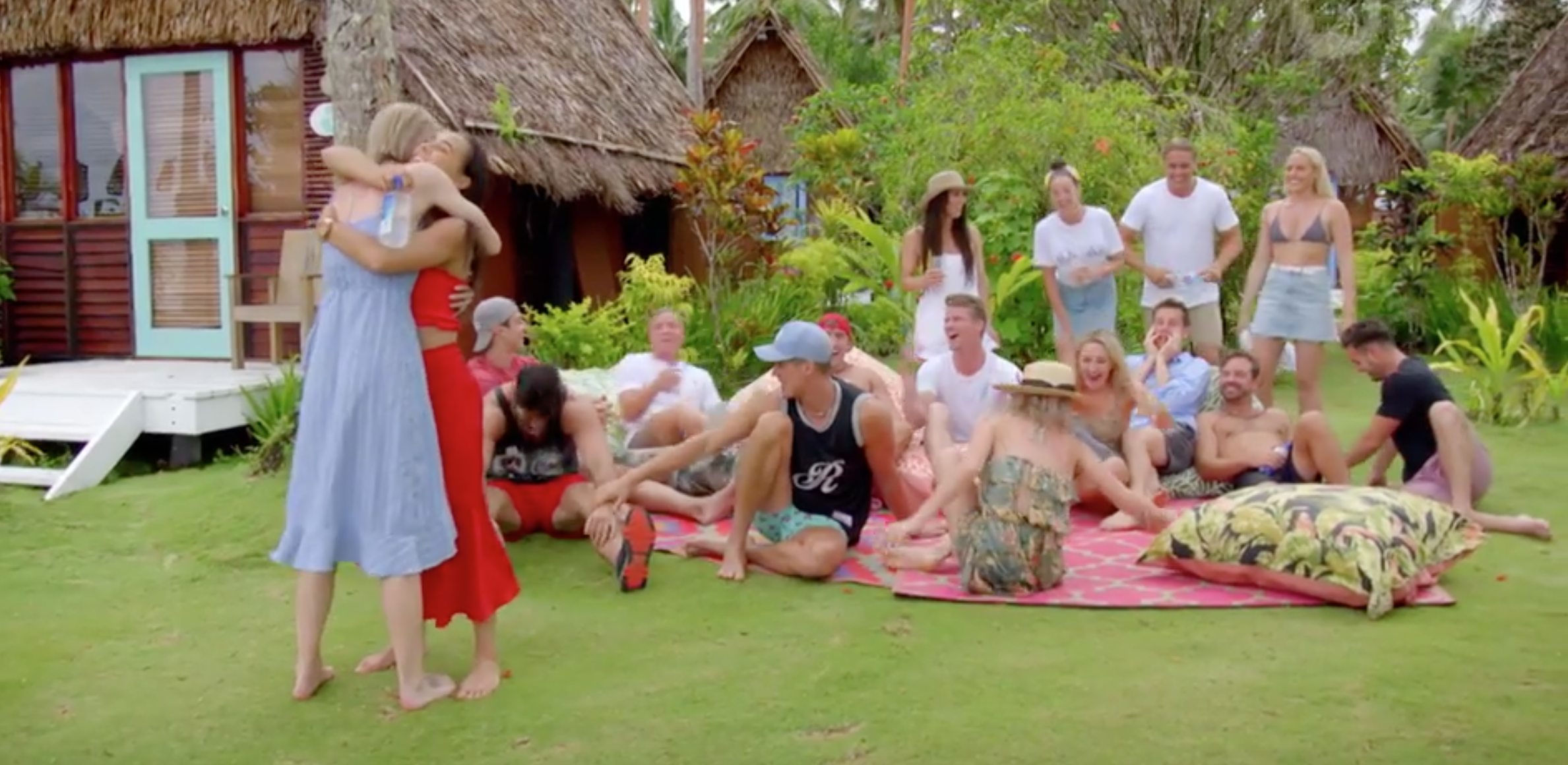
For those unacquainted, Bachelor in Paradise is that particular circle of reality TV hell that involves ex-contestants from The Bachelor and The Bachelorette trapped on a Fijian island. All still “looking for love”, they are given copious amounts of alcohol and made to pair up via “rose ceremonies” where men and women take turns to choose partners. This season featured Brooke Blurton and Alex Nation, two women who openly identify as being attracted to both men and women. This show engages with the trope of bisexuals as greedy/confused/risky, (shamefully) not by rejecting these tropes, but rather by laying them out for all to see.

Screen Shot 2019-04-21 at 6.29.57 PM

When Brooke and Alex first appear in the series, they repeat every negative idea of bisexuality in the book: “I’m just greedy!” “I just can’t make up my mind!” “I’m confused!” and on. Similarly other contestants repeat stereotypes, describing the women as “very sexual beings”, and men hinting they would “like to be a fly on the wall” for them getting together. Interestingly, at first their bisexuality is accepted without drama (at least that’s the edit). The hyper-sexualisation of bisexual women, and widespread assumption that bisexual women will always end up with men, means that women’s bisexuality in the context of other straight people is not always perceived as a “threat”. 

Screen Shot 2019-04-21 at 6.29.48 PM

The men’s faces when Alex chooses Brooke for a date

However later in the show we see exactly how “threatening” bisexuality can be to the laws of heterosexuality, when Alex chooses Brooke to go on a date. Both women already have men who they are interested in on the island, which for Brooke includes a man also called Alex. The men start “freaking out” as it means that the women might give each other their “roses” and send un-partnered men home. In (what I read as) a poetic sign of bisexuality’s ability to smash gender hegemony, the men start saying things like “It’s over for us boys”, “Paradise is under threat”, and “Paradise is over”. Here we learn that all along “Paradise” was merely a synonym for the boozey swamp of heteropatriarchy.

A few episodes later, when Alex tells Brooke she’s more keen to “explore her feelings” for another (man) contestant, Brooke is heartbroken. In spite of all the biphobic guff we’ve had to endure as viewers, what’s beautiful about this event is that Brooke calls off her simmering relationship with the other (man) Alex and decides to leave the island, which acts as a kind of metaphor for the viewer – bisexuality is impossible in Paradise, so no Alex can be loved.

Bisexuality is a present

f41606f2dcc3ccdb3c8e0a9b64e7c1e3

I think this image speaks for itself

All of this is to say, the representation of bisexuality today is uneven, but where bisexual voices are at the creative centre (as in The Bisexual) tropes can be reworked and resisted in complicated ways. Unlike The Bisexual or Conversations with Friends, Bachelor in Paradise is neither high production television nor well regarded literary fiction. Perhaps then, as a mass entertainment example, it is the most important sign that despite headway bisexuality is often represented with deferral to old tropes.

What all of these texts do reveal however, is that, for those lucky enough to find themselves in the bisexual position, bisexuality can be a gift. It means often occupying a liminal space that gives you a distinct view of gender and sexual expectations.

I’ll end on this note from Jonathan Alexander who explores his bisexuality in his essay with Karen Yescavagae “Bisexuality, Queerness and Identity Politics”. After describing growing up in a highly religious homophobic family/community he reflects:

“Still, despite this abuse, I had a crush on a boy, a young Latino named Domingo. I plotted and planned how to become friends with him, and though we never ‘did’ anything, I suspected that my interest in him (and his khaki-clad bottom, his hot pink undershirt, his luxuriant Navy pea coat) was bringing me perilously close to the forbidden realm of faggotry. My internal confusion, my soul-searching cognitive dissonance was intense: could something I want so much really be so evil? Imagine my confusion when I left the all-boy environment of high school to attend university and finding myself interested in some of the young women in my classes. (I might be safe after all!) I developed a crush on a classmate, Laura, and I eventually married another fellow student, Tara, some years later. Still, my interest in men continued, and I felt buffeted back and forth – a buffeting that ended my marriage.

I eventually ‘came out’ as bisexual, thinking that’s the term that best describes my ‘condition’. I developed a primary relationship with another man (with whom I still live), but my interest in women – as intimate friends and even subjects of desire – continues. Many of my gay friends scoff at this, wondering how I could ‘stand’ vaginal sex. But I like it. And I’ve come to see this plurality of desires as something that enriches me, that speaks to the complexity of connections I want to create with people. And I like it”. 

A Tale of Beards and Lavender: Imagining the Secret Lesbian Club of Hollywood

tumblr_static_zz0nktgfs1coc4s0c0s8okws

My Internet history is a Snow/Kendrick love fest

It’s strange, but true: at least once a week I sit down and Google the celebrities I think might be not-straight. There’s Anna Kendrick and Brittany Snow (hoping the Bechloe romance of Pitch Perfect finally comes true), Leighton Meester (sure she married Adam Brody but…), Naomi Watts, and Emma Stone (to name a few). Up until fairly recently Ellen Page, Miley Cyrus and Kristen Stewart were also on my list. They make up what I like to imagine is the “Secret Lesbian Club” of Hollywood. In my mind, this is basically an underground ring of awesome gays who like to get together fairly frequently to watch Bound, talk about butch/femme aesthetic, read gender studies texts, and figure out ways to insert queer subtext into their work. And who do I imagine is at the centre of it all? Taylor Swift of course.

8773493495_162fd1cfb2_b

Life is more interesting through a rainbow filter

Some might say this is wishful thinking. But the thing is, when you spend most of your days thinking queerly (that is, making the familiar strange, particularly with regard to sexuality and gender), you can’t help but see the world through rainbow glasses. It seems to me that “normal” is entirely a fiction, and everyone is a lot queerer than all that. That doesn’t mean there aren’t people with “opposite-sex” or “heterosexual” desires, but just that: a) what we ordinarily make of pairings along these lines belies the complexity of human experience; and b) a lot of people are probably a lot less distinctly straight (or gay) than assumed. With this in mind I look to Hollywood, which produces so many of the cultural texts we consume that show visions of a perfectly normative heterosexual life. I spend much of my time—as is tradition in queer theory—re-reading texts differently, to uncover the hidden queer subtext in popular culture. So, why not re-read the lives of actors themselves, given that we can be 99% sure that the narratives produced about them by tabloids and other press are also entirely fiction?

taylor-swift-wonderland-magazine-768x1000

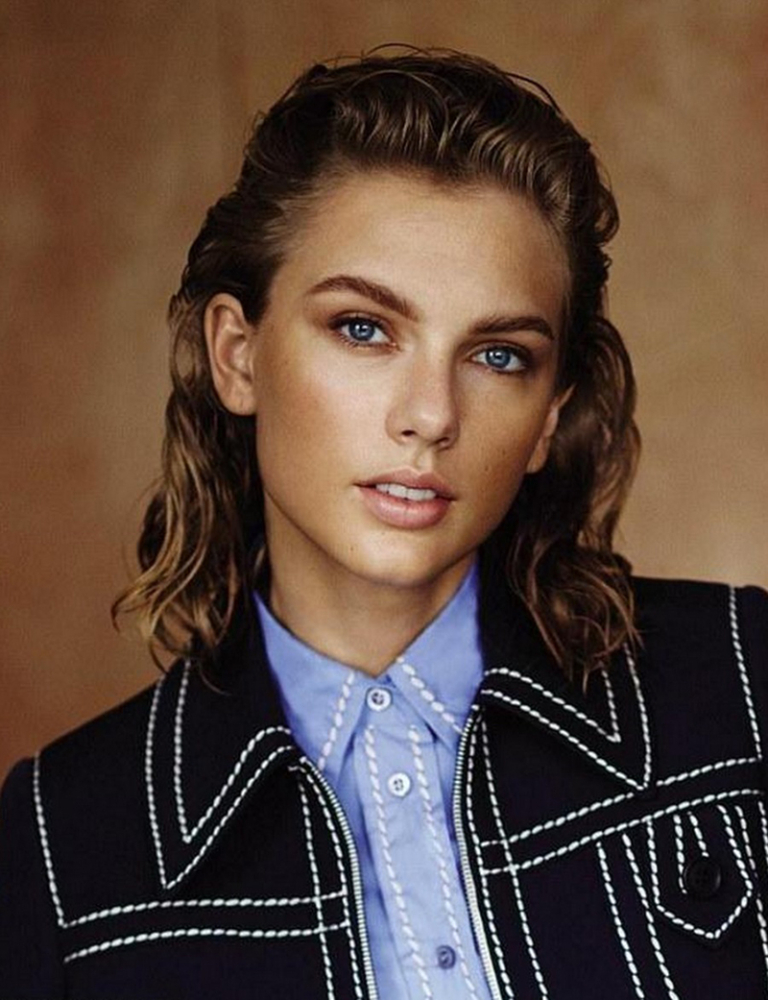
Taylor Swift

For me Taylor Swift is the perfect example of someone we ought to re-read, because she is held up as the epitome of the normal, wholesome heterosexual girl of today. For one thing, she made her debut on the country music scene, which is notoriously unfriendly to the gays—despite producing a bevy of flamboyant stars who epitomise the queer concept of “camp” aesthetic (Dolly Parton, for example). The boy crushes of Swift are heavily interrogated in the media, and her relationships with women are (for the most part) understood as purely platonic. However, if you look a little closer, we can see a queer subtext in Swift’s life and oeuvre that suggests a rather more fluid expression of desire. Here are a few things to note:

taylors-hollywood-fake-kiss2.jpg

It just doesn’t look fun for anyone

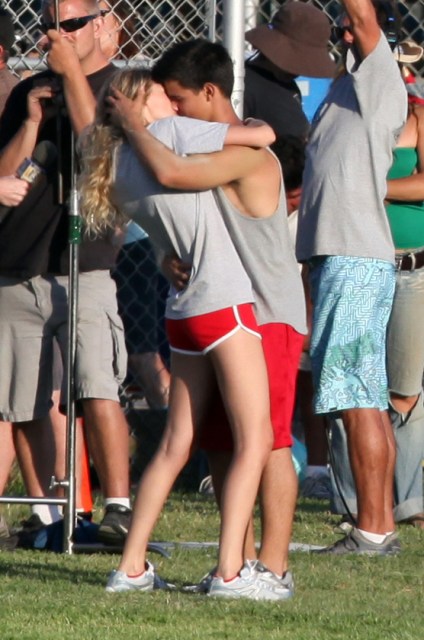
She dated Taylor Lautner and it was really awkward
There is no doubt that it is common practice in Hollywood for studios to pair stars up for promotional purposes. This is referred to as “showmance”. But there is also the well-known though little-discussed practice of “bearding” (typically this refers to setting up gay male actors with female stars) or in extreme cases “lavender marriage” where the charade involves putting a ring on it (Rock Hudson is one well-noted example). We can’t be sure whether is was a bearding scenario when Swift and Lautner got together, but they sure were very showy yet extremely uncomfortable together.

girls-cait-tay

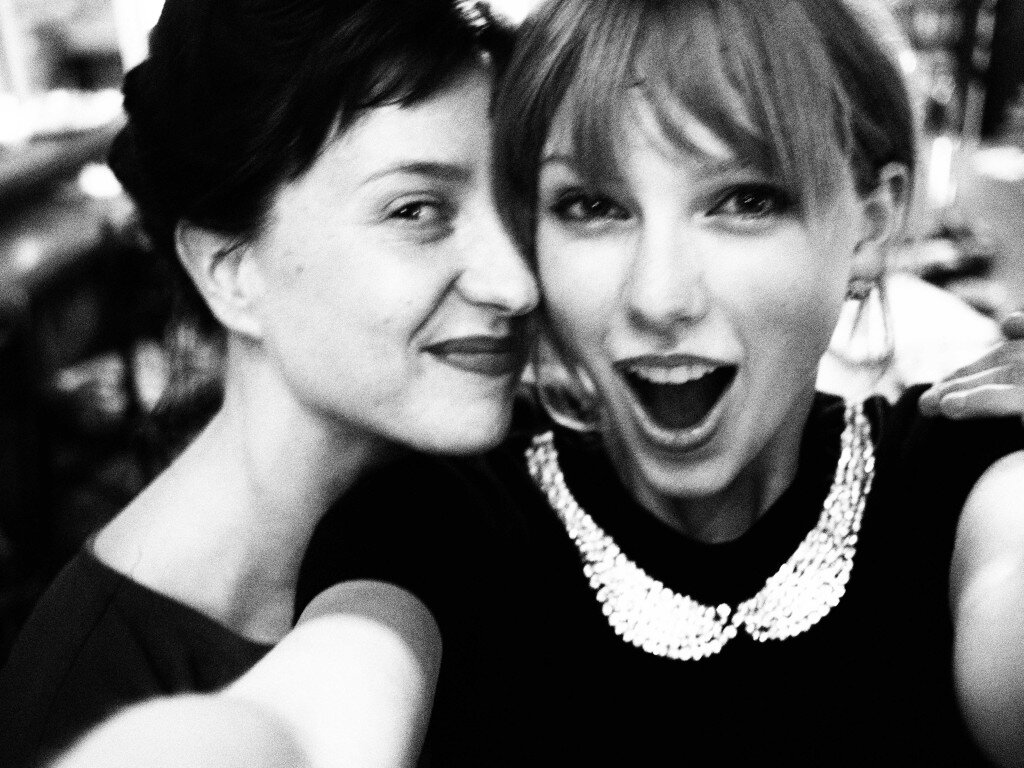
Having a much better time

She used to have a pretty intense relationship with her violinist
During her country music days, Swift toured with a band which included violinist Caitlin Evanson for eight years. Unlike those Taylor x Taylor pics, Taylor and her violinist had sparks galore. Evanson, who is ten years older than Swift once commented, “Taylor is a 40 year old in a 19 years olds body”, which is just the kind of thing you’d expect an older girlfriend to say about their younger lover.

23C707C900000578-0-image-a-68_1417800412246There was that time she apparently kissed Karlie Kloss
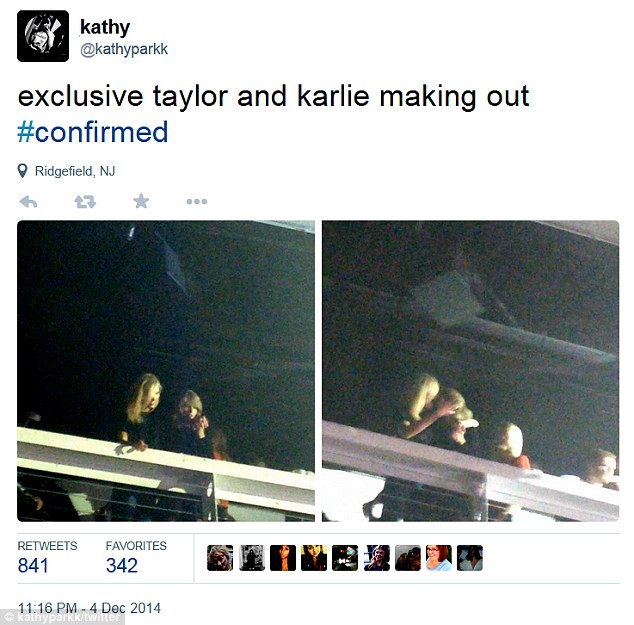
Karlie Kloss is supposed to be the closest of Swift’s girl-clan, and in 2014 they were spotted kissing at a club. The photos are pretty dodgy and might well be fake. But I include this point here because it started a bunch of rumours about Swift’s sexuality, which is important for the next point.

Her song “New Romantics” is probably about being more than straight
taylor-swift_240822_top.jpgSwift’s new single off 1989 includes a number of lyrics that reflect a queer subtext. These include:
1.”We show off our different scarlet letters— Trust me, mine is better”: given that scarlet letters refer to adultery, Swift is basically saying here “I’ve got other partners but they’re not who you expect”.
2. “We team up then switch sides like a record changer”: note here that Swift doesn’t seem to be just referring to switching partners, but switching sides.
3. “The rumors are terrible and cruel/But, honey, most of them are true”: this might be referring to the gay rumours as noted above.
4. “And every day is like a battle/But every night with us is like a dream”: this suggests an outside persona that clashes with what goes on behind closed doors, specifically with a partner.
5. “The best people in life are free”: this might refer to the practice of studios paying for beards. Swift is saying, the best people in life are not the ones you get contractually set up with.

taylor-swift_11jun15_insta_HP_b_810x810

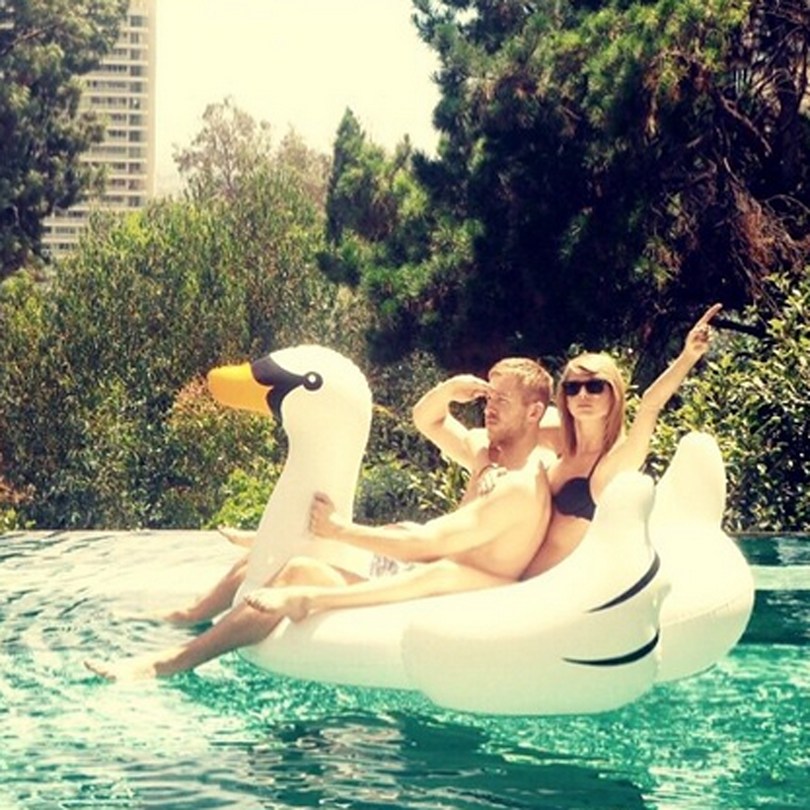
Swift romancing with Calvin Harris on her Instagram

“I Know Places” is about secret love
One thing you can say about Swift’s hetero romances, is that they are very very public. Instagram pictures posted by Swift, hundreds of photos in gossip magazines, TV interviews, and so on. However this song from 1989 refers to a love that Swift must hide away. The song also starts with “You stand with your hand on my waist line/It’s a scene and we’re out here in plain sight”, which suggests a romance that might not be perceived as one at first. This might be a reference to that phenomenon that people will believe anything before they believe you’re in a gay relationship—i.e. “oh, you’re sisters?” or “you guys are such cute best friends” etc.

200_s

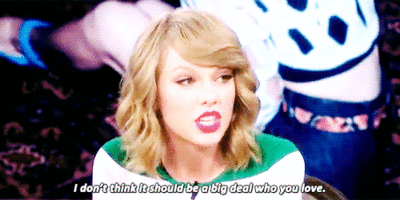
Unfortunately it actually is a big deal because openly queer stars don’t get jobs

Let’s be clear here: I don’t want to essentialise sexuality, like it’s some nugget of “truth” that can simply be unearthed like a buried crystal. But I do think there is some benefit in cracking open what is considered normal, so that we can begin to see how this is really just a fiction that *no one* lives up to. This also isn’t to condemn those who do not “come out” of the proverbial closet, because we ought to realise that attempting to live up to the fiction of normality is often enacted as a mode of survival. The horrible reality is that once stars come out they can’t survive easily in Hollywood. Among others, Elliot Page has talked about how he struggled to get parts playing straight characters once they publicly declared their sexuality.

alpgbaohaa19xazzjs2m

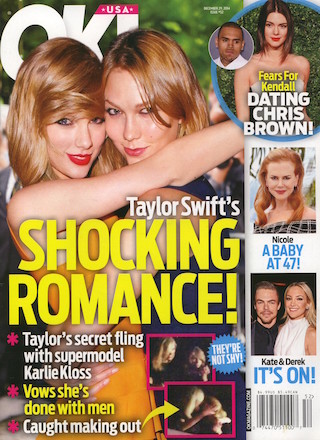
Okay so my analysis sounds a lot like this trashy magazine…but the conclusion is that if we refuse the idea of “normal” then this romance isn’t actually”shocking” at all

In any case, you might be thinking: why care about Taylor Swift’s sexuality anyway—shouldn’t that be none of our business? Fair point. Perhaps when you apply a queer “re-reading” to real people it can all get a little…gossipy. Despite this, I continue to hold onto the fantasy that our icons of culture aren’t all that straight and narrow. I think I care so much because I grew up looking and acting pretty heteronormative, and was treated as such. But while I had mad crushes on boys and aspired to extreme girliness in aesthetic, my desires were not simply straight. I had girl crushes too, I just didn’t know how to make sense of my complex range of feelings. I guess that’s why I hang onto the idea that there’s a Secret Lesbian Club in Hollywood, headed by the girliest boy-mad celebrity of all…because in that alternate universe, sexuality might be hidden but it sure isn’t black and white.

Flicking the switch – is flexibility at the top (and bottom) of the postmodern agenda?

A filmic representation of the dominant/passive binary

Today at an end of year lunch gathering I briefly mentioned my word discovery of the day – “switch”. The term is part of BDSM (Bondage/Discipline, Sadism/Masochism) lingo and refers to the idea of alternating between a top/active/dominant position and a bottom/obedient/passive position. My description was: switch is to top and bottom as bisexual is to lesbian and gay. My point was not to perpetuate a view of switch and bisexuality as more indecisive or indeterminate positions (as is often levelled at bisexuality), but rather to see these identifiers as caught up in a possible in-between space that language has been trying to catch up with (see also, pansexuality).

My description of switch got me questioning its connection with the concept of flexibility. I wondered if switch, bisexuality and other supposed in-betweens could be considered to be more flexible positions- not in the derogatory sense of being easy or undecided, but rather, as potentially more open or adaptive? I realised almost instantly that this would be a problematic assumption to make. This line of argument would seem to necessarily privilege switch and bisexuality over other orientations, inclinations or preferences, and I would therefore be making (what I would like to call) a flexibility fallacy.

I realised that the problematic I had encountered relates to a book I read earlier this week, by queer theorist Judith “Jack” Halberstam called In a Queer Time and Place- which focuses on the tension between transgression and conformity that exists around accounts of queer. Halberstam argues that there is a “postmodern fantasy of flexibility” being promoted, that serves to exclude some ways of identifying from a postmodern agenda- given postmodernism’s apparent obsession with all things indeterminate. Halberstam’s point makes me wonder whether my initial suturing of switch onto a “flexible” dynamic was a bi-product of my subconscious postmodern assumptions.

On that note (of the danger of possible postmodern misreadings), I’ll leave you with this (potentially) BDSM-esque song:

Pansexuality: because bisexuality is so passé?

Pansexuals strike back

When I talk to people about gender and sexuality, a lot of people tell me that they “don’t fit into any category of sexuality”. Then I tell them about pansexuality, and I usually get an “oh, right. That’s what I am”.

Pansexuality describes a sexual orientation wherein a person has the ability to be attracted to a diverse range of people across sex and gender spectrums. Pansexuals describe their attraction as different from bisexuality, which only considers the gender binary- if you are bisexual, by definition you are attracted to either men or women. Thus it is often claimed that pansexuals are “gender blind” (though some pansexuals would argue that this is not the case- sex and gender may play a role in attraction, but their sexual orientation doesn’t rule anybody out because of their sex or gender presentation).

While academia seems to be running to catch up, some of the most interesting perspectives on pansexuality come from YouTube posts like this. What seems startlingly obvious about the presence of pansexual self-proclaimers on the internet, is their age. While I’m sure that with the evolution of the term into more popular usage there will be more and more people of all ages that adopt the category to describe their own orientation – but for now, it seems that (overwhelmingly) Generation Z is embracing the idea.

The pan flag

It will be interesting to see how this identity discourse will pan out. What effect will pansexuality as an accepted and well known sexual orientation have on our views on sexuality’s relationship with the gender binary in the first place?

What’s great about pansexuality is that it allows a new way of thinking about desire and love, that is (apparently) outside of gender. Though, I do find the pansexuality vs bisexuality debate a little concerning (our sexuality is better than your sexuality- really?). Admittedly there are both those asserting their pansexuality and those reclaiming bisexuality in the face of the new pansexual discourse.

After all, I can’t help but wonder whether some people currently identifying as bisexual meant something closer to pansexual all along?