Move over bury your gays, there’s a new trope in town and it’s about murderous bisexual chaos. (Note: some spoilers below for Passages, Poor Things, Saltburn and Love Lies Bleeding – I’ve tried to make it obvious where I discuss each so you can skip specific films you haven’t seen).
Not long ago I was reading through my high school diaries and found an entry musing on whether I was bisexual. I was sixteen. I did not use the word of course, I simply – coded and cautiously – mentioned that I had read an article in Cosmopolitan magazine about women who also like men and women both, and “y’know, maybe that’s me”. Skip forward several decades of grappling with my sexual identity, literally writing a PhD about being queer femme, and becoming a scholar who works on queer theory and sexuality… I am (fingers crossed) finally feeling pretty at ease with calling myself bisexual.
Sure we have the least exciting flag, but a few key insights for me have been: my affinity with other bisexuals (we just get each other, we see each other); the recognition that my desire does not transcend gender, but rather, is for all the genders (so many! I love them all! So hot!); that bisexual experience is about recognising shame that goes in multiple and maybe unexpected directions (e.g. feeling bad about having heterosexual desires); that the reality of homophobia deepens biphobia as we split into camps to save ourselves, but the need to have the grace to understand these structuring forces. Of course all of the angst I have grappled with over the years is probably just because I am a millennial – it seems that Gen Z are much more comfortable with their gender and sexual fluidity.

But what of bisexual representation in these shifting times? I last reflected on this question in 2019 (“Twenty BiTeen”). Back then I concluded that negative tropes about bisexuality (of greediness, just a phase, and straight privilege) were, in a very small strand of emerging bisexual representation, starting to be reworked and resisted. In 2022 I also wrote a paper about bisexuality as “the refusal to refuse”, aka the refusal of choosing a single monosexual line of desire. In part this paper looked at the distinction between the “bury your gays” trope where homosexuality is represented as a tragedy (the gay character dies), versus straight rom coms where heterosexuality is represented as an inevitable comedy (replete with failure). I argued that in contrast bisexuality was rarely intelligible at all – neither tragedy or comedy, simply an impossibility.
But since writing these pieces, something new has emerged. Enter: the disaster bisexual.

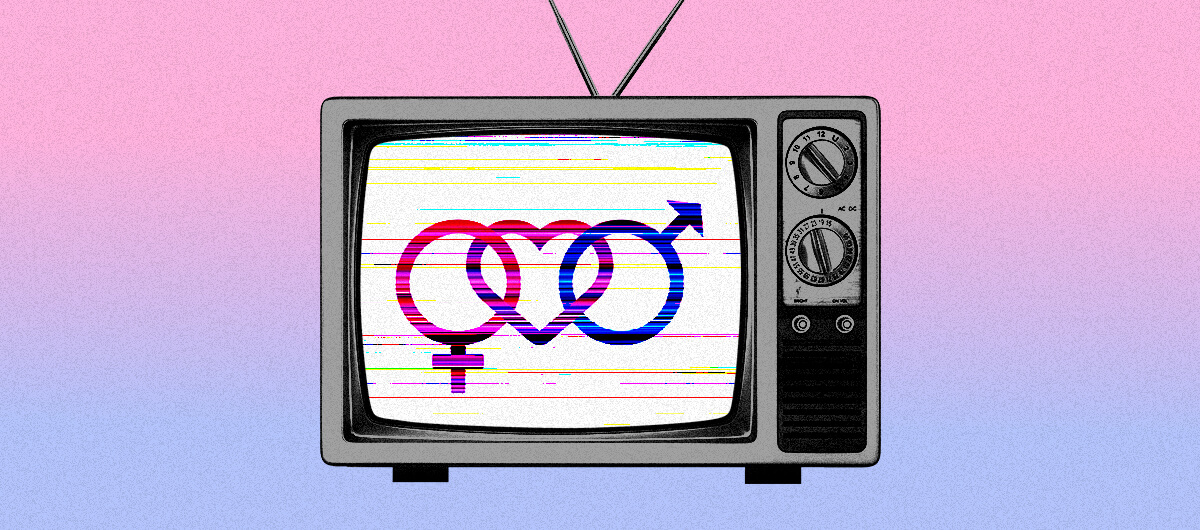
A disaster bisexual is, just as it suggests on the can, loosely defined as a bisexual character or person who has chaotic energy or causes chaos. It seems to be a term used with some affection (“oh what a disaster bisexual!”) and often personal identification (“I’m such a disaster bisexual!” – to which everyone replies “yes”). The disaster bisexual is not your typical queer-coded villain, but rather, an anti-hero. The term seems to pleasurably press the bruise of internalised biphobia. When you cannot corral your desires into a neat monosexual storyline, this can feel chaotic.
According to the internet, the term originated from a D&D meme about sexuality in 2017, but it really took off as a concept in wider circulation in 2022/2023. I would argue that we are now seeing echoes of this discourse in representation on screen, in films like Passages, Poor Things, Saltburn and Love Lies Bleeding (and so many more I have not had the chance to see yet!). Notably in none of these representations is the word “bisexual” used, the characters are simply depicted as having sex with people of multiple genders. This continues a long trend in representation where bisexual desire is represented but not named.
However, importantly, these representations take the disaster bisexual into sinister territory. While queer publications like Them last year lauded the rise of “the nuanced bi characters we’ve been waiting for” I was somewhat perplexed by this celebratory tone. Journalist Billie Walker suggested that “It’s not that we don’t want bisexuals to do bad things on screen. We just want them to do more interesting bad things, and for more interesting reasons”. Hmmm. Let’s take a look at some examples…

I saw the French romance/drama film Passages at the Melbourne Queer Film festival in 2023. On the night it was introduced by festival curator Cerise Howard as addressing the historical gap in programming bisexual representation, to which (me included) the audience whooped and cheered. At the end of the film I turned to the person I was with and laughed “well…we wouldn’t call it positive bisexual representation would we!” In the film the main character Tomas takes a bisexual wrecking ball to his life and loves with such chaos that by the end of the film you are cheering his downfall. Walker suggests that it would be a “lazy” reading of the film to see Tomas’ bisexuality as the cause of crisis in the film, rather than look to his egotism. But sometimes surface readings are the most important to understanding how tropes congeal. The most obvious interpretation is that Tomas is a disaster bisexual, leaving a trail of emotional carnage in the lives of the monosexual characters who foolishly love him.

Similarly in science-fiction comedy/drama Poor Things, the sexual exploits of main character Bella are depicted as leaving destruction in her wake. Much of the film focuses on Bella developing a sense of self through her sexual adventures. She is a kind of Frankenstein’s monster, a gothic vehicle for representing society’s repressed desires. While she is the centre of the film, and we are essentially on Bella’s side (especially as she escapes the clutches of both wimpish and controlling men), she is also violently dangerous: unpredictably squashing, stabbing, or surgically destroying those in her path. Notably at the end we see Bella living in some kind of polyamorous bisexual utopia (albeit one with a slightly disturbing goat).

On violence, we can turn here to black comedy thriller Saltburn where our central disaster bisexual is perhaps the most ominous of all. Oliver is not simply violent, but a pathological liar and epitome of destructive Dionysian desire. Oliver lusts over the bodily and earthly – cum, blood and literal dirt – and it is at once disturbing and entertaining. Oliver is both compelling and scary. He is close to the material and earthly, and just as uncontrollable. At the end he is alone and happy, and everyone else is dead.

Finally, in romance thriller Love Lies Bleeding, our central protagonists are Lou and Jackie/Jack. While Lou is assuredly gay, and wary of sleeping with Jack in case she is just a “curious” straight, Jack notes that she likes “both” men and women. Arguably the central drama of the film is caused by a combination of Lou’s brother in law’s domestic violence, and the fact that Jack has slept with the brother in law. When Jack gets vengeance it is ambiguous as to whether she is trying to right the wrong of the brother in law’s violence, or, atone for the hurt caused by her bisexual exploits. While Jack is depicted throughout as uncontrollable, unpredictable, and totally chaotic, Lou is remarkably together and always cleaning up after her.
Of course there are many other things to say about these films that are not purely about the disaster bisexuality of it all – about rage and families and vengeance and kinks – but it is telling that all of these disaster bisexual films rather unusually mix up genres of comedy/romance with drama/thriller. This speaks to bisexuality sitting at the intersection of heterosexual (comedy) and homosexual (tragedy) tropes: an uncomfortable mash. As such these films do not end in classic “tragedy”, rather, we see the bisexual emerging intact despite the rubble from which they emerge.
Yes, these films are not all “about” bisexuality but in all of these films bisexual desires are at the heart of the drama and often the cause of crisis. Many of the scenes in these films are also highly visceral, focusing on blood, sweat, vomit, cum, and the bodily, with varying levels of gore (with the exception of Passages which is simply sexy and sweaty, with great crop tops). The disaster bisexuals are the spark and conduits of this viscerality. Notably, all the disaster bisexuals are hot, really hot – and I am not just saying that because I am a bisexual attracted to everyone – I mean, alluring. We are meant to understand the appeal of the disaster bisexual, even as we are warned to be wary, if not afraid, of this seductive power.
On this note, it would be wrong, I think, to say that these representations of bisexuality are “bad”. This is probably my disaster bisexuality speaking, but it is way more fun to identify with the villain than have really happy unproblematic bisexual representation. And of course in selecting these films I have left out other key bisexual representations we have seen recently – such as in Heartstopper and Red, White and Royal Blue – where the bisexuals are not really chaotic at all, just attractive and nice.
My point is to question: should we “celebrate” representations of disaster bisexuals? I am not convinced. Rather, I think we should keep tabs on the disaster bisexual trope and how it is playing out, what this trope has to say about sexuality and desire, how these representations connect with broader sentiments and politics around sexuality, and perhaps most importantly, how these depictions make us bisexuals feel. As we watch, we should attend to whether it pleasurably presses the bruise, or, sometimes, digs a bit too far into the wound.



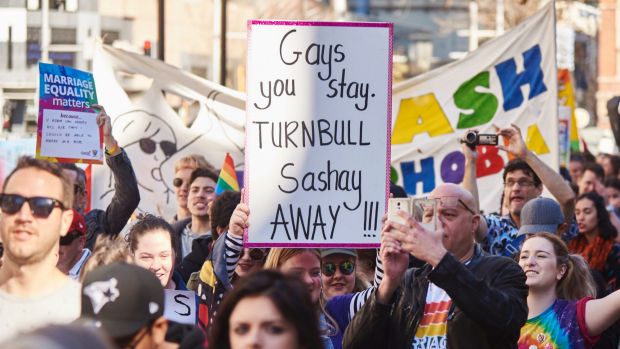 Like many in the Australian LGBTIQ community, I am exhausted by the marriage equality “debate” that we are being subjected to. The nature of this atomised survey is that we’re supposed to stay positive and upbeat, to try and convince everyone that we’re “normal” and have no other agenda than “love”. But being glass-half-full optimistic in this situation takes a lot of mental and emotional energy. That’s why it was so deeply infuriating to see our Prime Minister Malcolm Turnbull—the person whose cowardice means we even have to endure this survey—on TV suggesting that the ‘yes’ campaign needs to lighten up about homophobia.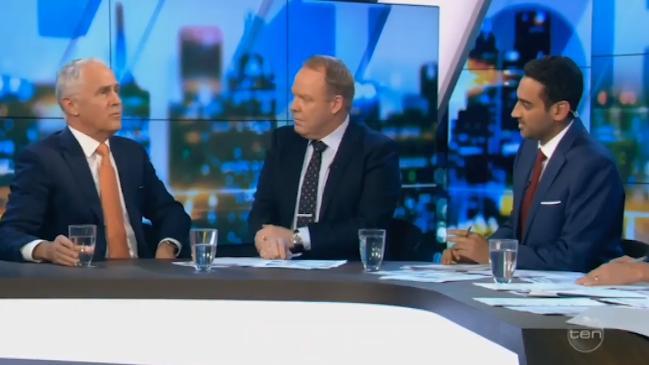
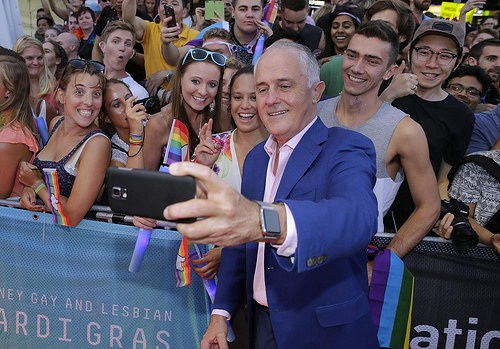 It’s important to take a step back here and recognise Turnbull’s comments for what they are:
  What all of this reveals is that whatever the outcome of the survey, Turnbull is firmly not on the side of the LGBTIQ community.
 As
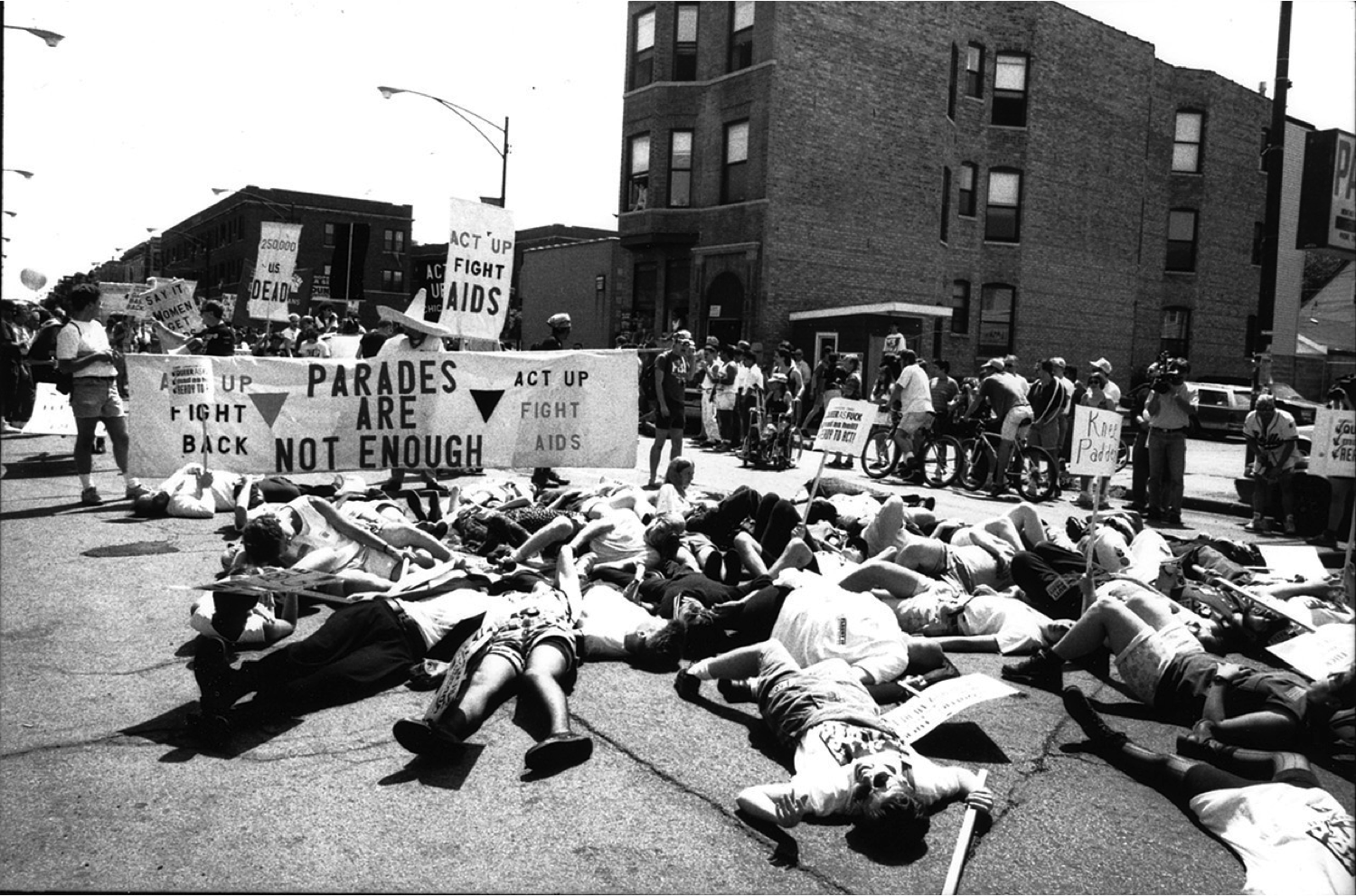
As  So the story goes: “it gets better”. This is a common refrain of LGBTIQ youth services in Australia. “It gets better” refers to the promise that when you leave school, you won’t have to deal with bullies any longer – you’ll be free to live your life as a happy LGBTIQ person. Now, for many of us, this isn’t totally wrong. Leaving the social intensity of the schoolyard and becoming independent from family units, can mean that we are able to find new communities of acceptance.
 But how cruel might this hopeful promise be, when bigotry can be canvassed as state-sanctioned “legitimate debate”, as we are seeing now? When homophobic and transphobic ideas are not originating from the schoolyard itself – as we know,
  As
As  But cruel is the optimism of the segments of the “yes” campaign that refuse to confront the homophobia and transphobia emerging in the debate, and instead seek to win hearts and minds on the basis of respectability, normality, and the idea that “love” is indeed “love”. As Berlant argues, it is a cruel optimism that operates where we live with the toxic conditions of the present labouring under the view that the future will “somehow” deliver something better.
 And indeed it is cruelly optimistic to imagine what that future will entail if we do not question the social constitution of futurity in the first instance. As
  This is precisely what we have seen playing out for over a decade, albeit more sharply in recent times, in the marriage equality debate. While the right have repeated the refrain, “think of the children”, the left too have taken up this mantle, constantly leaning on statistics about the welfare of queer youth or children from queer families in order to make a point of the utter sameness of the child under queer circumstances. In this envisioning, the queer child doesn’t queer the future, rather, the queerness of the child is contained in order to suggest that there is very little threat – only a slight extension – to the more conservative vision.
 As the recent
  We might wonder about the astringency of Edelman’s anti-social thesis, in light of the fact that attachment to “same-sex marriage” is currently being enacted by many as a mode of survival. Many have thrown themselves into fighting for a yes campaign precisely in order to assist a striving toward a “getting better”. We might also question the limits of Edelman’s radical presentism and anti-futurity, and if a different kind of future envisioning might be possible without a cruel investment in inevitable progress.
 As
As 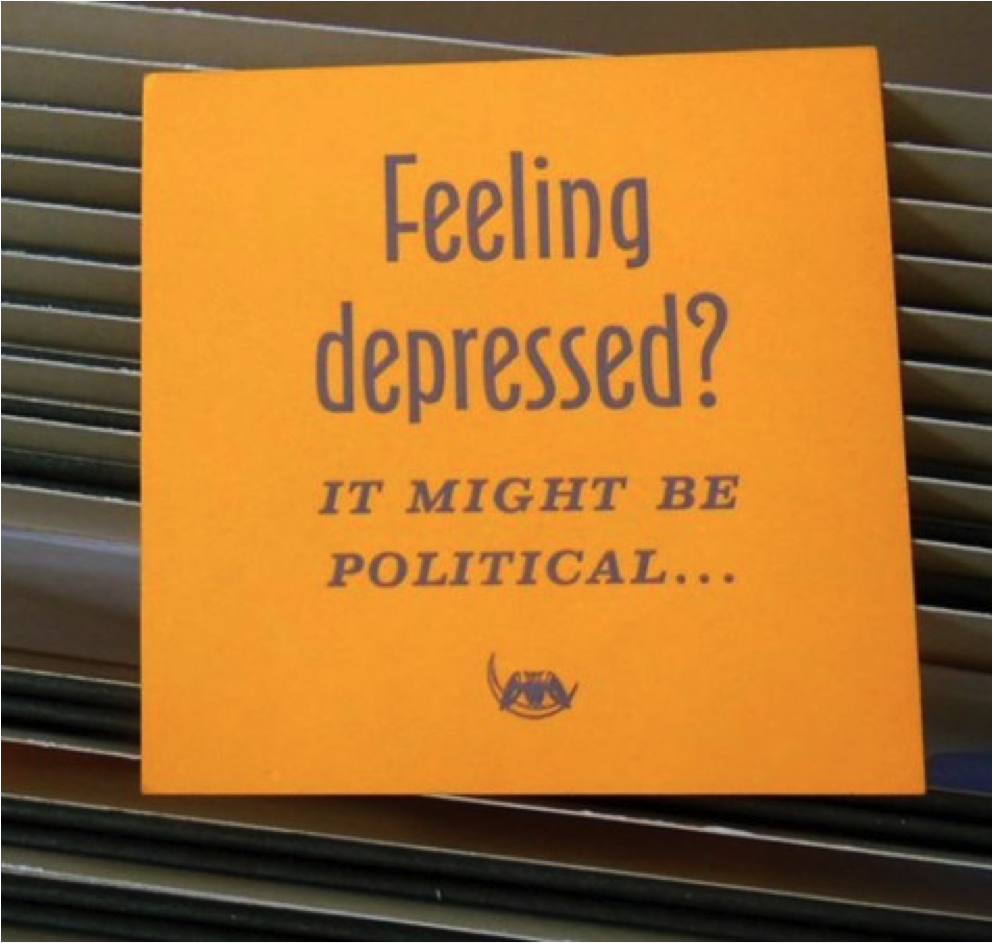 Similarly
 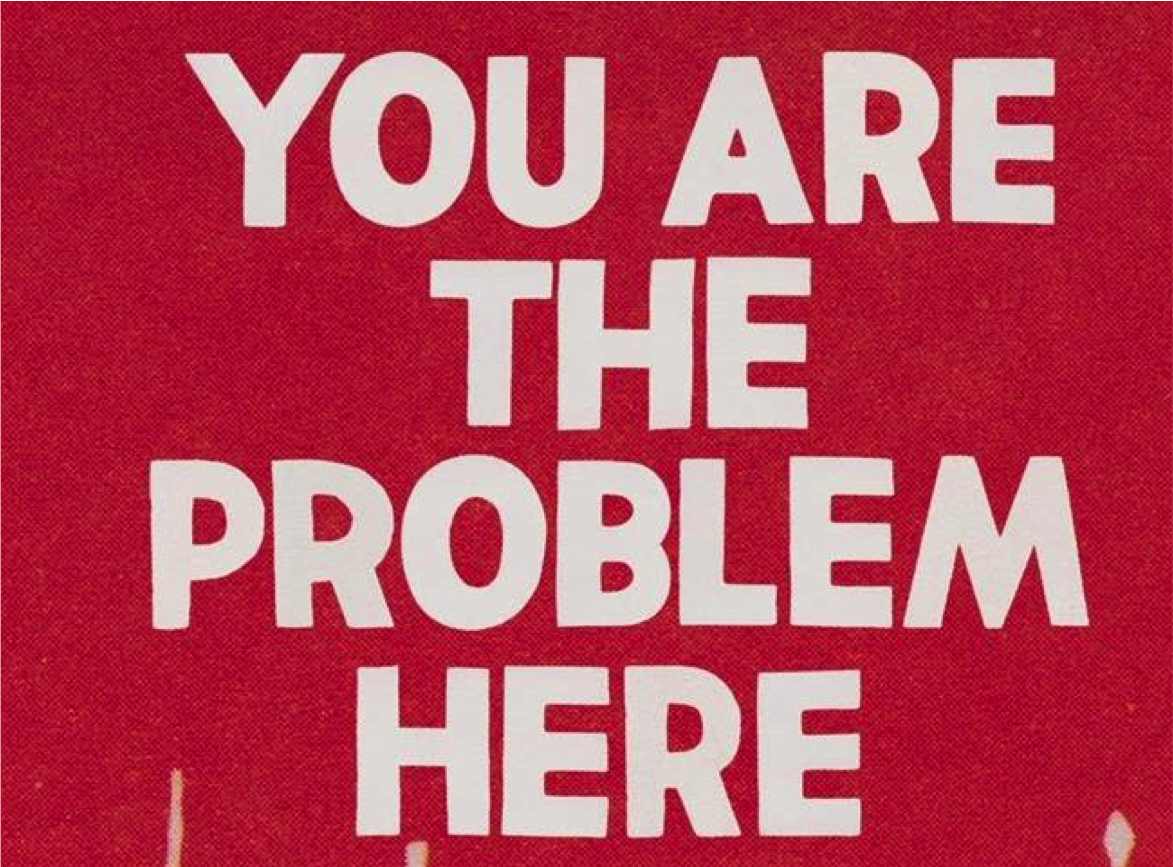 But in making the negativity at the heart of things public rather than private, we can also become targeted as the problem rather than merely pointing out the problem. As
  While we focus solely on concepts like fairness and kindness, positivity, good stories, the “good homosexual”, or the “unqueer queer child”, the bad feelings at the heart of the marriage equality debate remain occluded and politically impotent. To fail to recognise and name the homophobia and transphobia that are proliferating under conservative discussions in the marriage equality debate is to inadvertently reiterate a narrative of a heteronormative future where “it gets better”. To engage in a queer hopefulness then, is not to shy away from negativity, but rather, to embrace the possible world that it reveals to us.
 It is only in confronting those elements of the present that we would rather deny, from which a truly utopian vision might emerge. In this case, my educated hope is that we will have a marriage equality debate that confronts homophobia and transphobia, that embraces gender and sexual diversity, and that makes space for the LGBTIQ community well beyond the question of marriage.
















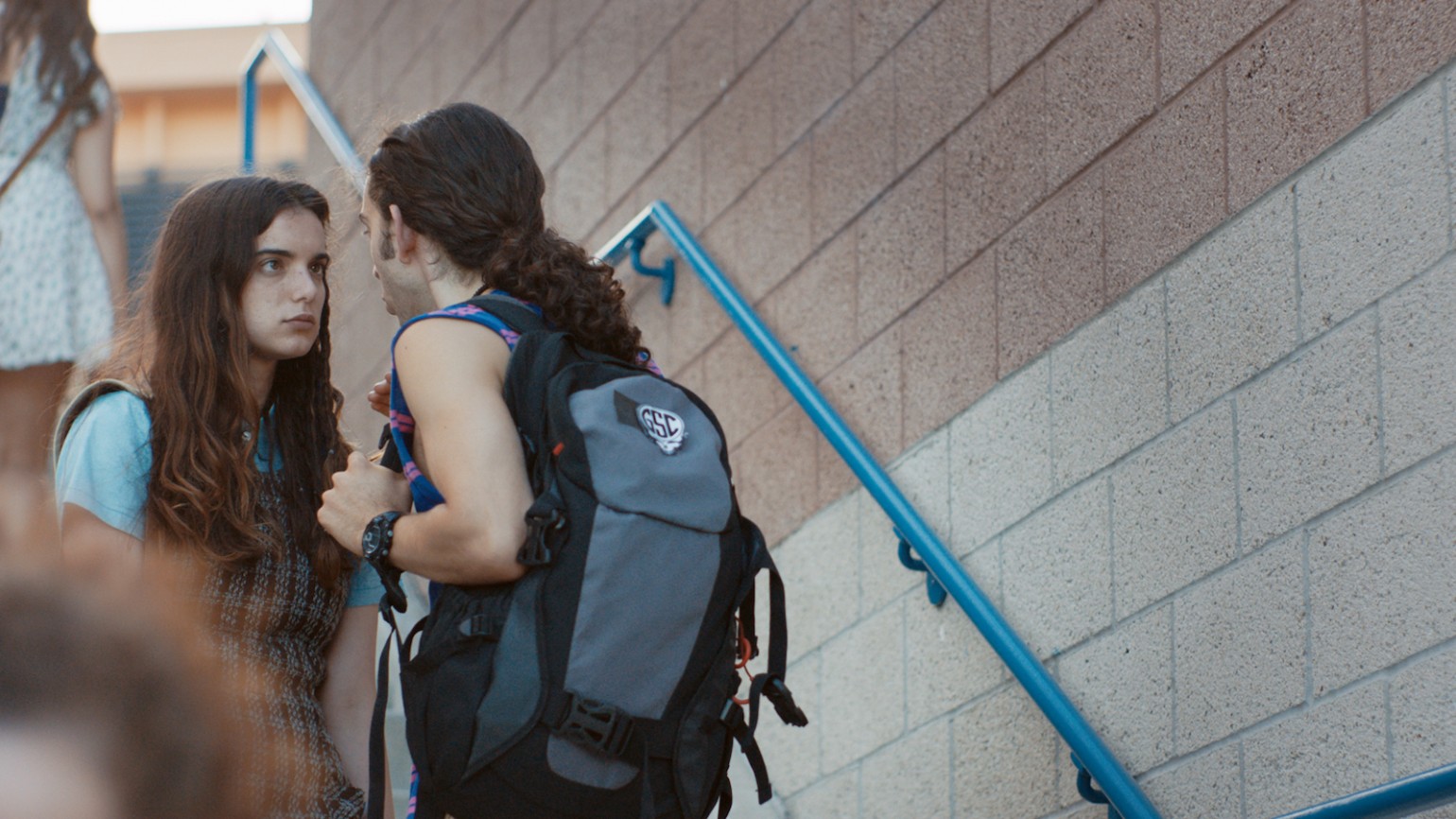 While the closure of the film was a little clunky (and I wondered if they actually had a few different endings in mind), overall First Girl I Loved is utterly engrossing. The opening scenes are framed tightly and closely around the protagonists, and we remain at eye level, almost as if we are right there with them – behind the softball fence, lingering at the doorway to the bedroom, walking down the street sipping $4 wine. We’re next to them all the way, not as a voyeur, but as a friend along for the ride.
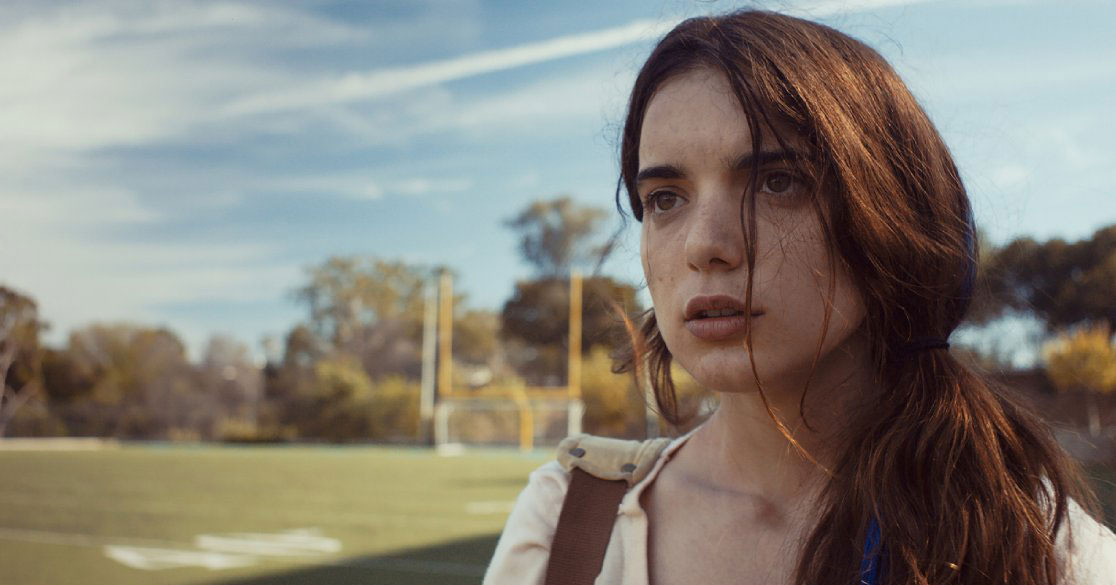 Gelula’s performance is very commendable. She strikes a delicate balance between unbearable apathetic teen, and captivating hero that we want to succeed. Through Anne we see just how brilliant and strong teens can be, even if they’re totally clueless. Teens are often denigrated by society writ-large for being naive, but First Girl I Loved shows the pain and beauty of fumbling through, the intelligence involved in not knowing but pushing on nonetheless. The awkward innocence of Anne and Sasha’s interactions is wonderfully executed, and there was something so familiar about their veiled giggling banter that I felt like I was watching my young self up on screen.
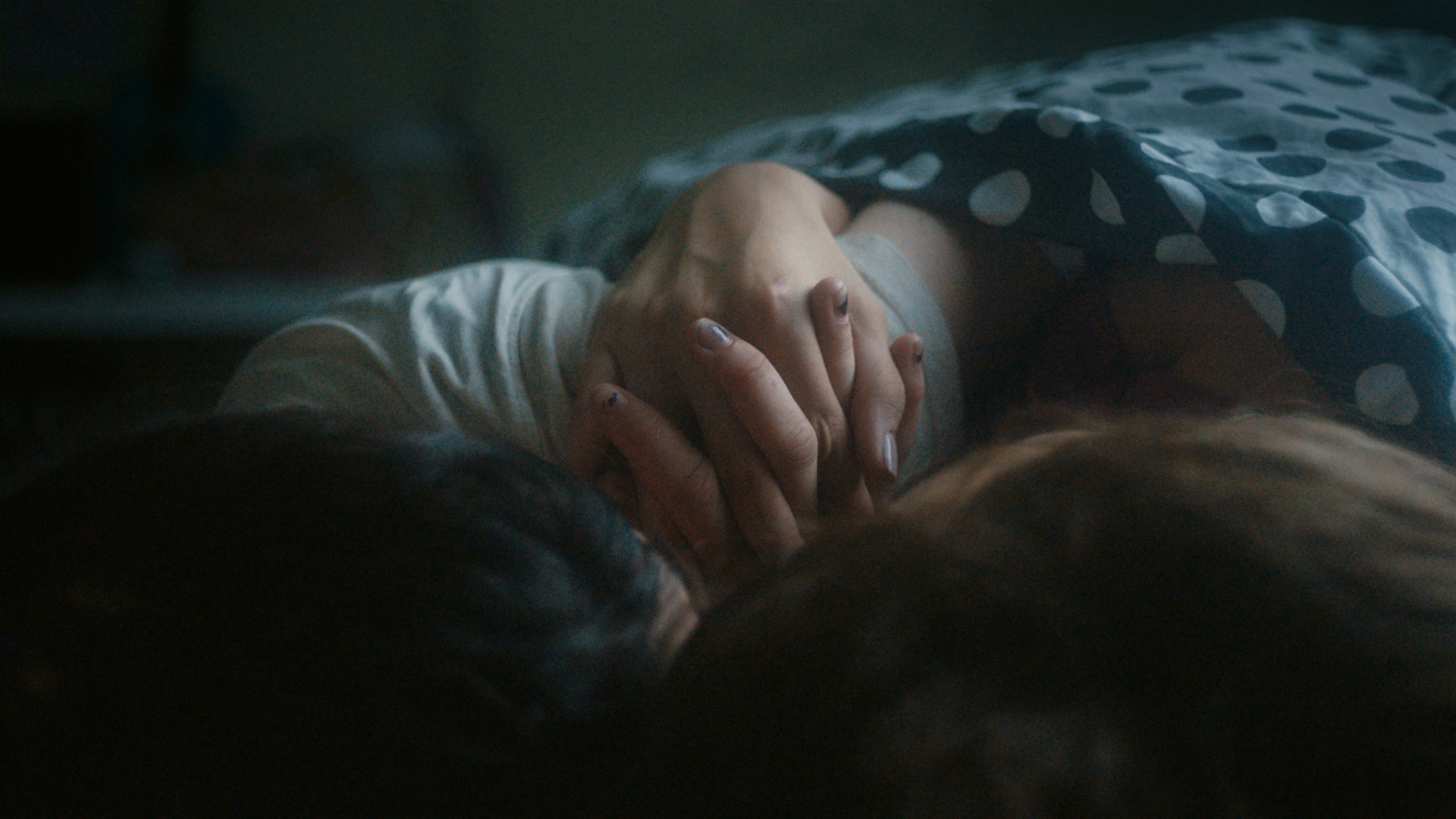 As I sat watching the film unfold, I found myself desperately wanting things to work out for the characters. I wanted it to end happily not only because I was so engrossed in the story, but because happy endings for gay characters are so few and far between. It’s been great to see more films coming out that address romance between women, like
  While I can imagine some queer theorists arguing that the lack of traditionally happy endings for gay films is welcome, because who wants to live up to that heteronormative expectation anyway, it’s also pretty shit to constantly have popular culture either ignore your relationship or portray it is an inevitably difficult affair. While there is something to be said for representing the reality of homophobia and the difficulty of queer life, it is a pain that everyone else gets the option of fantasy (because let’s be real it’s not like heterosexual life really ends happily for everyone) except for gays who must remain proper realists.
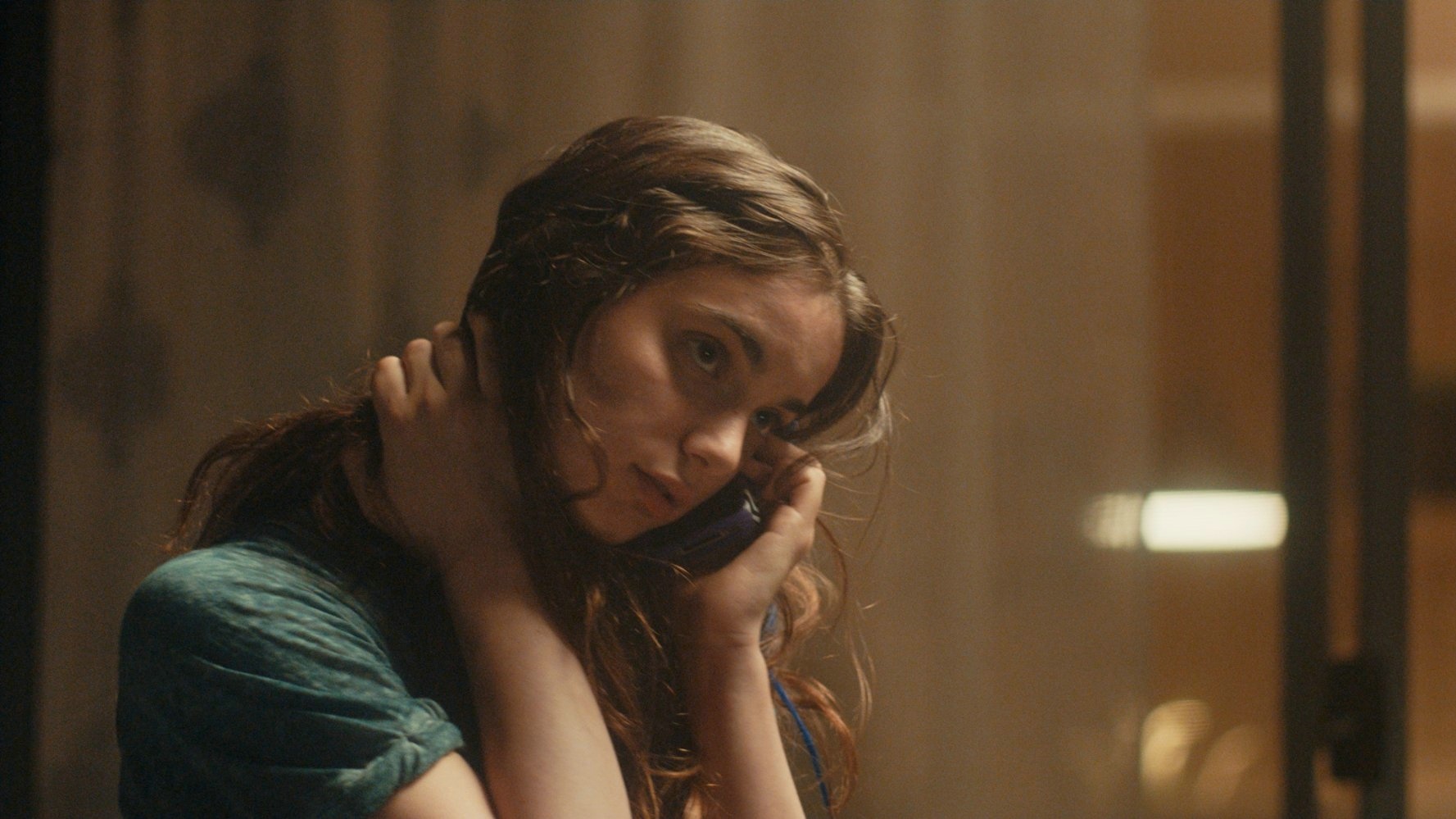 First Girl I Loved is no romcom, and it is serious. But it does manage to deal with difficult issues and give us a sense of both catharsis and hope, even as it leaves many things unresolved. It doesn’t make the empty promise that so many teens are barraged with that “it gets better”, but it does suggest that queer kin can be found and that inner strength is possible while traversing difficult and unknown terrain. First Girl I Loved gifts its audience a small beam of light for navigating this path, and for that it should be celebrated.
 The first is from trans-exclusionary radical feminist types, who conflate gay male culture with drag queens with transgender identity. Such perspectives see gay men, drag queens, and trans women as responsible for propping up fantasies of femininity that only serve to oppress women. Germaine Greer famously stated in The Female Eunuch 1970: “I’m sick of being a transvestite. I refuse to be a female impersonator. I am a woman, not a castrate”. Greer’s suggestion here is that there is some form of “natural” womanhood that can be liberated from the dictates of culture. Similarly, and more recently, Sheila Jeffreys has even argued that drag kings distort lesbian culture and the celebration of “natural” womanhood. She writes: “If the suffering and destruction of lesbians is to be halted then we must challenge the cult of masculinity that is evident in such activities as drag king shows”. These views are rife with homophobia and transphobia, as well as massive conflations and wild leaps that see men, masculinity, and femininity, as the true oppressors of women.
 I don’t have much time for these views, which encourage us to believe that the biggest threats to women are trans women, drag queens, and gay men. This view distorts Marxist theory to argues that men in particular are *the* class that oppresses women, and sees the liberation that is to be won as a liberation from “gender”. Luckily the currency of radical feminism in academic spaces seems to be waning. But when overall activist struggle in society is low, it is easy for people to slip into arguing that we are each other’s problem, that if only we could free ourselves from gender we’d be truly liberated. It’s a much easier argument to make than organising to transform the fundamental economic arrangement of society, and it makes space for all kinds of class collaboration between powerful women and poor women alike (even if it means at the end of the day that power doesn’t actually shift).
 So that’s why it’s kind of surprising to hear people within queer communities suggesting now that drag, in its mainstream formations, is a problem. From this perspective drag, if performed by ostensibly







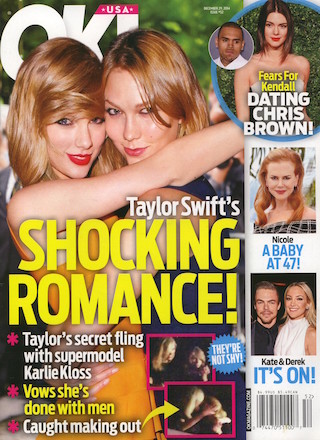
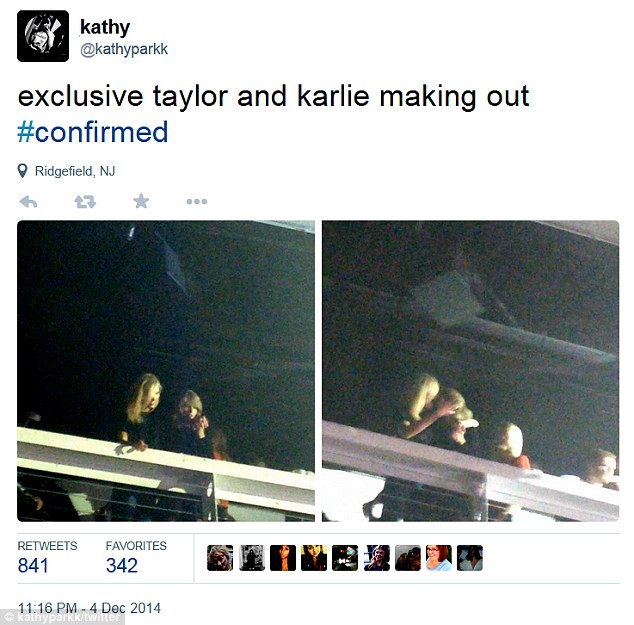 There was that time she apparently kissed Karlie Kloss
 Swift’s new single off 1989 includes



 BINARYTHIS